Search Results
Search this site
8587 results found with an empty search
- Elayna Black's Combat Sports Background: From Muay Thai to MMA and Professional Wrestling
Elayna Black Elayna Black, known to WWE fans as Cora Jade, has made waves in the world of professional wrestling. However, before she entered the squared circle, Black had a brief but significant journey through the world of combat sports, training in both MMA and Muay Thai. Her background in combat sports not only shaped her athleticism but also played a pivotal role in her approach to professional wrestling. In this blog, we’ll dive deep into her combat sports experience, explore how it shaped her wrestling career, and analyze the impact of her journey on her rise in WWE and beyond. Early Combat Sports Interest for Elayna Black Elayna Black's interest in combat sports was ignited at a young age. Growing up in Chicago, she was exposed to various athletic pursuits, but it was mixed martial arts (MMA) that really captured her attention. Inspired by the fierce athletes she saw competing in the UFC, Black decided to pursue training in MMA. Her path wasn’t immediately clear, though. Wrestling was her ultimate goal, but with limited opportunities for female wrestlers at the time, she took a detour into the world of MMA. In an interview on The Ariel Helwani Show, Black shared how, at the time, she was too young to find a wrestling school willing to train her. Instead of waiting around, she decided to jump into MMA. Black’s decision was also fueled by her admiration for CM Punk, the former WWE Superstar who transitioned to the UFC. Punk’s time in the cage resonated with her, as she saw similarities in their journeys—both were outsiders trying to prove themselves in a new, unforgiving world. Little did Black know that her experiences in combat sports would help her forge a path toward WWE stardom. Muay Thai and MMA: The Early Battles Before making her name in the world of professional wrestling, Elayna Black dipped her toes into the world of Muay Thai. She participated in an amateur Muay Thai bout, where she experienced the brutality and intensity of striking combat. Unfortunately, the match didn’t go in her favor, and she suffered a technical knockout (TKO) loss. However, rather than viewing the loss as a setback, Black embraced it as a valuable learning experience. This amateur fight served as a turning point for Black, who would later reflect on it in conversations with CM Punk. During an interview, Black revealed that she and Punk bonded over their shared experience of losing in the combat sports world. Punk, who had faced defeat in his UFC career, found common ground with Black in their mutual understanding of what it means to experience loss and how those defeats contribute to an athlete’s mental toughness. Despite the setback in the ring, Black’s training in Muay Thai and MMA served to hone her athleticism, sharpen her focus, and prepare her mentally for the challenges that would later come in professional wrestling. The Transition to Professional Wrestling Although Black's time in Muay Thai and MMA was brief, it played a critical role in shaping her identity as an athlete. Her commitment to combat sports gave her a foundation of mental and physical toughness that would later propel her to success in WWE. In 2018, after refining her skills in MMA and Muay Thai, she shifted her focus to wrestling, where she found a new avenue to showcase her combat prowess. Under the ring name Cora Jade, Black made her debut in WWE’s NXT brand. She quickly garnered attention for her athletic ability and fearlessness in the ring. During her time in NXT, she formed a strong partnership with Roxanne Perez, which led to the duo capturing the NXT Women’s Tag Team Championship. Black’s experience in combat sports helped her with the physical demands of wrestling, including the stamina, precision, and mental toughness necessary to perform at the highest level. However, despite the success she found in WWE, Black’s journey took another turn when she was released from the company in May 2025. She expressed a sense of relief following her departure, as it allowed her the freedom to pursue opportunities outside of WWE’s confines. Returning to the independent circuit, Black embraced her original ring name, Elayna Black, and began to compete in various promotions, including Game Changer Wrestling (GCW), where she remains a prominent figure. The Impact of Combat Sports on Her Wrestling Career While Elayna Black’s time in Muay Thai and MMA was short-lived, it had a lasting impact on her professional wrestling career. Combat sports taught her invaluable lessons in discipline, resilience, and the importance of mental toughness—all of which she carries with her into the wrestling ring. Training in MMA and Muay Thai instilled in Black the kind of athleticism required to thrive in a physically demanding sport like professional wrestling. Whether it was her conditioning, her striking ability, or her mental fortitude, Black was well-equipped to handle the rigorous demands of the WWE and the independent wrestling scene. It’s no surprise that she was able to make such a seamless transition from MMA to professional wrestling, as the fundamental skills learned through combat sports naturally translated to the squared circle. Additionally, Black’s experiences in combat sports also shaped her approach to storytelling in wrestling. Combat sports are about more than just physical prowess—they are also about mental strategy, the will to overcome adversity, and the ability to learn from defeat. These are all elements that Black has incorporated into her wrestling persona, making her not just an athlete but a compelling storyteller in the ring. What's Next for Elayna Black? With her return to the independent circuit, Elayna Black has embraced a new chapter in her career, one that offers her the creative freedom to explore different styles, techniques, and storylines. She’s scheduled to compete in several upcoming Game Changer Wrestling (GCW) events, where she’ll undoubtedly continue to demonstrate the skills and resilience she cultivated through her time in combat sports. In interviews, Black has expressed an interest in returning to the larger promotions and even teased the possibility of joining All Elite Wrestling (AEW). With her strong combat sports background and years of wrestling experience, she is well-positioned to continue making waves in the industry. Whether it’s through intense, hard-hitting matches or captivating storytelling, Elayna Black’s journey is far from over. FIGHT.TV Breaks It Down Elayna Black’s journey through Muay Thai, MMA, and professional wrestling showcases the power of determination, athleticism, and mental toughness. While her time in combat sports was relatively brief, it provided the foundation for her success in the world of professional wrestling. As she continues to evolve in her career, there’s no telling where her unique blend of combat sports experience and wrestling skill will take her. What’s clear, however, is that Elayna Black is a force to be reckoned with, and the combat sports world will be watching her every step of the way. Stay tuned to FIGHT.TV for more updates on Elayna Black’s journey and other exciting developments in the world of combat sports! Elayna Black
- Seth Rollins and His Wrestling Accolades: Career Highlights and Major Achievements
Seth Rollins has built an impressive career in WWE, earning respect for his talent and adaptability in the ring. He is recognized as one of the top wrestlers of his generation, holding major titles and breaking records along the way. Rollins is a multiple-time world champion and has accomplished some of the most difficult feats in professional wrestling. Seth in the ring. With victories in events like Money in the Bank and storied rivalries, Rollins has proven his skills on the biggest stages. He is also known for his memorable tag team runs, special recognitions, and his place on top wrestling lists. Fans and critics continue to praise his achievements and the impact he has made in the wrestling world. Key Takeaways Rollins has multiple world championship reigns. He earned success in tag teams and major tournaments. He is often recognized for awards and record-breaking achievements. WWE Championship Reigns Seth Rollins is recognized for winning multiple top championships in WWE. His time as Universal Champion and World Heavyweight Champion includes several key matches, important milestones, and memorable rivalries. Universal Championship Victories Rollins captured the WWE Universal Championship on two different occasions. His first title win happened at WrestleMania 35, when he defeated Brock Lesnar in a highly anticipated match. This victory marked a major moment in his career, as Lesnar had been a dominant champion for a long time. Rollins quickly established himself as a strong champion by defending against competitors like AJ Styles and Baron Corbin. During his second reign, he continued to face top stars and remained at the center of the WWE main event picture. His feuds during these times helped build his reputation as one of the reliable top stars in WWE. These matches stood out for their intensity and storytelling, with Rollins using both his athleticism and ring awareness to keep the audience invested. In short, Seth Rollins' Universal Championship wins gave him a place among the elite main-event wrestlers in WWE history. His victories are covered further in detail in various wrestling resources, such as this list of Seth Rollins’ championships. WWE World Heavyweight Championship Wins Rollins has also won the WWE World Heavyweight Championship three times. His first and most famous win came at WrestleMania 31 when he cashed in his Money in the Bank contract during the main event, turning the match into a triple threat. He pinned Roman Reigns to win, making history as the first person to cash in the contract at WrestleMania. He captured the championship again at Money in the Bank 2016 by defeating Roman Reigns. However, Dean Ambrose cashed in his contract minutes later and beat Rollins for the title the same night. Rollins’ third reign highlights his ability to perform at the top level repeatedly, overcoming top names and delivering in high-pressure matches. Throughout these reigns, Rollins proved that he could thrive in both surprise opportunities and direct one-on-one contests. His championship resume is detailed on the WWE singles title reigns page. Notable Title Defenses Seth Rollins is known for his high-quality and memorable title defenses. Some of his most talked-about matches as champion were against Brock Lesnar, AJ Styles, Baron Corbin, and Braun Strowman. He managed to beat Lesnar on big stages like WrestleMania and SummerSlam, which helped solidify his legacy. His defenses often include a mix of speed, technical skills, and resilience when facing different styles of challengers. He has been praised for consistently bringing energy and excitement to main event matches. These bouts often received positive reviews from fans and wrestling critics. In many of his matches, Rollins was able to stay champion against strong opponents, sometimes overcoming outside interference and surprising tactics. His ability to retain titles in difficult situations is a key part of his reputation as a top WWE performer. More match details and career highlights are available in his WWE profile. Tag Team Achievements for Seth Rollins His notable achievements. Seth Rollins has stood out as a skilled tag team competitor, winning multiple championships and working with some of WWE’s most popular stars. His tag team success forms a major part of his wrestling legacy and has led to many impressive moments across his career. Raw Tag Team Championships Seth Rollins has captured the WWE Raw Tag Team Championship multiple times. His first win came with Dean Ambrose at SummerSlam 2017. The pair defeated Cesaro and Sheamus in a highly praised match. They went on to hold the titles for several months. Rollins also won these titles with Jason Jordan in early 2018 when Ambrose was injured. Later, he added another reign with Braun Strowman in 2019. This made Rollins one of the few Superstars to win the Raw Tag Team Championship with three different partners. A simple breakdown of his Raw Tag Team Championship partners is shown below: Partner Year(s) Won Dean Ambrose 2017-2018 Jason Jordan 2018 Braun Strowman 2019 This variety of partnerships highlights Rollins’ adaptability and strong in-ring chemistry with different wrestlers. Partnerships with Roman Reigns and Dean Ambrose The most iconic tag team run came as part of The Shield. Rollins, Roman Reigns, and Dean Ambrose made their main roster debut together and quickly became a dominant force. Their teamwork brought them success as WWE Tag Team Champions. Rollins and Reigns claimed the WWE Tag Team Titles at Extreme Rules 2013, defeating Team Hell No. Their run as champions lasted 148 days, setting them apart from other teams. The Shield’s unique tactics and strong unity helped revitalize the tag division. As a trio, The Shield often used a mix of coordinated attacks and creative strategies. Rollins played a key role as both a high-flyer and strategist, making their matches unpredictable and exciting for fans. The Shield’s chemistry and success created many memorable moments in WWE history. More information about this run and The Shield’s accomplishments can be found on Seth Rollins' career profile. Other Tag Title Alliances Beyond his well-known partners, Rollins has joined alliances that led to more tag team gold. For example, Rollins partnered with Murphy (formerly Buddy Murphy) in early 2020, capturing the Raw Tag Team Championship. The duo worked as members of Rollins’ faction, adding a new layer to his tag team record. Rollins has also shown he can shift from friend to rival. At different times, former allies like Ambrose or Reigns have competed against him for tag and singles gold, making each new alliance or split feel significant. This mix of trust and betrayal has kept fans interested in Rollins’ tag team stories. Rollins’ record as a tag team wrestler is marked by both adaptability and leadership. For a detailed list of his championship wins and partners, see this detailed summary of Seth Rollins' tag team and career achievements. Major Tournament Wins His tag team wins. Seth Rollins has earned several of the most recognized achievements in WWE. He has won the Money in the Bank briefcase, claimed victory at the Royal Rumble, and completed the Grand Slam Championship. Money in the Bank Rollins won the Money in the Bank ladder match in 2014. This win gave him a contract that could be cashed in for a WWE World Championship match at any time, anywhere. He made history by cashing in during the main event of WrestleMania 31. During the match between Brock Lesnar and Roman Reigns, Rollins entered, turning the fight into a triple threat. He pinned Roman Reigns to win the WWE World Heavyweight Championship. This surprise moment is often called “the heist of the century.” It remains one of the most memorable Money in the Bank cash-ins in WWE history for its unexpected timing and dramatic impact on WrestleMania. Royal Rumble Winner In 2019, Seth Rollins entered the men’s Royal Rumble match and outlasted 29 other wrestlers. He entered the ring at number 10. During the final moments, he eliminated Braun Strowman to secure the victory. As a result, Rollins earned a title shot at WrestleMania 35. He chose to face Brock Lesnar for the Universal Championship. At WrestleMania 35, Rollins defeated Lesnar and captured the Universal title. The Royal Rumble victory underscored his toughness and ability to compete with the best. It also provided momentum that led to one of the high points of his career. More details about this win can be found on the DAZN site. Grand Slam Champion Status Seth Rollins became WWE’s 29th Triple Crown Champion and the 19th Grand Slam Champion. The Triple Crown involves holding a world championship, a tag team championship, and a secondary singles title. The Grand Slam means winning four specific championships within a career. Rollins has held: WWE World Heavyweight Championship Universal Championship Intercontinental Championship United States Championship Raw Tag Team Championship By winning each of these championships, Rollins joined a select group of wrestlers with this honor. His place as a Grand Slam Champion marks him as one of WWE’s most accomplished competitors. Special Recognitions and Awards Seth Rollins has received a wide range of honors that reflect his skill, popularity, and impact in wrestling. These recognitions come from both WWE itself and respected wrestling publications. Slammy Awards The Slammy Awards are WWE’s way of celebrating standout moments and superstars each year. Seth Rollins has collected multiple Slammy Awards during his career, highlighting his reach and popularity with fans. He has won awards in categories like "Superstar of the Year," "Tag Team of the Year," and "Match of the Year." A few of Rollins's most notable Slammy wins include: Superstar of the Year (2015): This award recognized him as the top performer on the WWE roster. Match of the Year (2014): Rollins’s performance as part of Team Cena vs. Team Authority at Survivor Series earned him this honor. Tag Team of the Year (2013): As a member of The Shield with Roman Reigns, he took home this prize. His multiple wins show his importance within WWE and his ability to connect with the audience. Pro Wrestling Illustrated Honors Pro Wrestling Illustrated (PWI) is a well-known wrestling magazine that honors top wrestlers each year. Seth Rollins has received major recognition from PWI several times, making him stand out in the industry. He was ranked number one on the PWI 500 list in 2015, 2019, and 2023. PWI also awarded him "Wrestler of the Year" in 2015 due to his dominant performances and championship wins. Rollins’s high rankings in PWI’s lists reflect his consistency at a main-event level and his respect among wrestling experts. These honors underscore his position as an elite performer on a global stage. Wrestling Observer Newsletter Accolades The Wrestling Observer Newsletter (WON) is a respected publication for detailed analysis within the wrestling community. Seth Rollins has earned praise from WON, especially for his in-ring work. He received recognition for "Best Gimmick" as The Architect and "Most Improved" during his early years in WWE. Many readers and analysts at WON have regularly named Rollins’s matches among the best of each year. He has been nominated for "Match of the Year" several times, thanks to standout performances in events like WrestleMania and SummerSlam. Rollins’s awards from WON highlight his technical ability and the respect he commands from critics and fans who closely follow wrestling. Record-Breaking Moments Some of his best moments. Seth Rollins has set himself apart in WWE through impressive feats at major pay-per-view events, lengthy championship runs, and landmark matches that highlight his place in wrestling history. His accomplishments showcase both skill and consistency at the top level. Historic WrestleMania Performances Rollins made headlines at WrestleMania 31 when he became the first wrestler to cash in his Money in the Bank contract during the main event. By pinning Roman Reigns, Rollins won the WWE World Heavyweight Championship in front of a worldwide audience. He also competed in several high-profile matches, such as facing Brock Lesnar at WrestleMania 35. This bout opened the show, and Rollins defeated Lesnar to become Universal Champion. These moments are still viewed as some of his most iconic performances and are remembered as standout highlights at WrestleMania. Longest Title Reigns Seth Rollins held the WWE World Heavyweight Championship for over 220 days during his first reign in 2015. This run was one of the longest at the time and showed his ability to stay at the top despite facing strong opponents. Rollins also had a notable run with the Intercontinental Championship, having multiple reigns and holding the title for over 70 days in 2018. He contributed to raising the prestige of that title in WWE, defending it against various challengers on pay-per-view and weekly TV. When he won the inaugural World Heavyweight Championship in 2023, Rollins again maintained the title for an extended period. This cemented his status as a record-setting champion with significant title reigns. Milestone Matches Rollins has competed in many milestone matches that stand out in WWE history. Some examples include being part of the first major six-man tag match as a member of The Shield at TLC 2012, which set the group’s legacy in motion. He also competed in the first Universal Championship match at SummerSlam 2016 and took part in high-stakes bouts such as the Gauntlet Match on Raw in 2018, where he wrestled for over an hour. Rollins’s involvement in these landmark matches helped shape key moments for WWE and proved his ability to shine on some of the biggest stages. His record in marquee matches is backed up by memorable performances.
- Muay Thai Basics for Pro MMA: Essential Techniques and Strategies for Fighters
Muay Thai has become a vital skillset for professional MMA fighters due to its powerful strikes, versatile clinch techniques, and effective defense. Mastering Muay Thai basics gives fighters an edge in the cage by combining punches, kicks, elbows, and knees into a complete striking system. Unlike traditional boxing or kickboxing, Muay Thai equips athletes with more tools to score and defend during a fight. Muay Thai Basics. For MMA competitors, adapting core Muay Thai moves and clinch control is essential for both offense and defense. Fighters who understand how to apply Muay Thai inside the octagon gain more ways to control distance and break their opponent’s rhythm. Training routines blend striking, clinch work, and tactical sparring to make these techniques functional for pro MMA competition. Key Takeaways Muay Thai is a key part of most pro MMA skillsets. Fundamentals focus on striking combos, clinch control, and defense. Training adapts traditional Muay Thai to suit MMA rules and strategies. Fundamental Muay Thai Techniques for Pro MMA An overview of the basics. Muay Thai brings a mix of powerful strikes and practical defenses that fit well with MMA’s fast pace. Focusing on punches, kicks, and how to use each move in a real fight helps athletes maximize their effectiveness inside the cage. Essential Striking Methods Muay Thai is called the "Art of Eight Limbs" because it uses fists, elbows, knees, and shins to attack and defend. Fighters use basic strikes like the jab, cross, hook, and uppercut alongside elbow and knee strikes for close combat. Good stance and balance are key. Muay Thai fighters typically stand upright, but in MMA, lowering the stance is common to help defend against takedowns. The teep (front kick) is a must-learn move that keeps opponents at a distance and sets up other strikes. Checking leg kicks with the shin is an important defense against low kicks, which are often used to slow down and hurt opponents. A strong clinch game allows fighters to control their opponent and deliver knees and elbows from short range. Mastering these basics helps fighters stay aggressive while staying ready for their opponent’s moves. For more information about basic defense, check out these essential Muay Thai defense techniques. Punch Variations for MMA Punching in Muay Thai is different from boxing and kickboxing. In MMA, fighters tweak their punches to avoid exposing themselves to takedowns. Straight punches like the jab and cross hit quickly and are less likely to get countered. Hooks and uppercuts are useful when close to the opponent, especially when breaking from a clinch. Using elbows in combination with punches is crucial. Elbows can cut or stun an opponent and are legal in most MMA fights. Fighters often use a mix of left-right punches followed by an elbow. They also use rapid punch combinations to set up grappling. Fighters need to anticipate level changes, so keeping punches sharp and returning their hands quickly to guard is vital. Kicking Techniques Adapted for the Cage Kicks in Muay Thai are powerful tools, but in MMA, they must be used with care. Low kicks (aimed at the thigh) can limit an opponent’s movement, while body and head kicks offer knockout potential. The roundhouse kick, one of Muay Thai’s signature moves, is widely used because of its speed and force. Using the teep or push kick helps keep distance and break the opponent’s balance, making it harder for them to shoot for a takedown. Fighters must also be good at checking (blocking) kicks to avoid damage. Because the MMA cage limits movement, fighters may use less high kicking and focus on fast, hard low kicks. For more on fundamental strikes and kicks, see this guide to core Muay Thai techniques that also covers video tips and breakdowns. Clinch Fighting and Defensive Tactics Some defensive tactics. Clinch fighting gives MMA athletes a way to take control during close combat. Good defense and sharp counter-strikes help fighters stay safe and create openings in matches. Muay Thai Clinch Fundamentals The Muay Thai clinch is a crucial skill for MMA and self-defense. This inside-grappling technique involves grabbing the opponent’s neck, arms, or body to control their movement and limit their striking options. Fighters use different grips, such as the double collar tie or single neck tie, to off-balance opponents. While clinched, they can throw powerful knees, elbows, or use sweeps to trip the opposing fighter. Hand fighting, correct posture, and using the hips for leverage are essential. A strong clinch can be the difference between winning and losing in the UFC. Practicing clinch fundamentals builds skills for both grappling control and striking from close range. Key Tips for the Clinch Details Grip Control Double collar tie, single collar tie, body lock Balance & Posture Use hips, maintain upright stance Offensive Moves Knees, elbows, dumps, and trips Defensive Skills for MMA Striking Defense is just as important as attack in combat sports. MMA fighters need to block, parry, and move away from strikes to avoid damage. Basic defensive moves include the high guard, where both hands protect the face and chin. Fighters also use head movement, footwork, and shields to protect against punches, kicks, and elbows. In the clinch, defense might mean battling for inside position, breaking grips, and creating space to disengage. Learning to counter clinch attacks and escape positions helps prevent throws and knees. Quick Defense List: High guard and tight elbows Angle out with footwork Control hands and wrists in the clinch Push or frame to create space Counter-Strike Strategies Counter-striking uses an opponent’s attack to land quick, clean shots. Timing is key. When a fighter reads the rhythm of a rival, they can strike back during small windows of opportunity. Typical counters include straight punches after an opponent misses, knees when the attacker steps in, or sweeps when the other fighter is off-balance from a failed strike. Fighters practice patience—waiting for their moment rather than forcing exchanges. In the UFC, great counter-strikers make use of feints and small movements to draw out attacks and punish any mistakes. Using pivot outs, post frames, and clinch escapes gives fighters a better chance to reverse pressure even when backed up. Translating Muay Thai to the MMA Arena Effective Muay Thai Breakdown. Muay Thai is popular in mixed martial arts because of its strong strikes and versatile clinch. However, fighters have to blend striking, grappling, and ground work for MMA success. Integrating Muay Thai with BJJ and Grappling Muay Thai fighters learn to use elbows, knees, and clinches to control and damage opponents. In MMA, they must adjust these skills to defend against takedowns while working against wrestlers or Brazilian Jiu-Jitsu (BJJ) specialists. A common training method is to combine clinch drills with takedown defense. Fighters practice using knees and elbows, while making sure they do not get caught and taken to the ground. They need strong balance and quick reactions to break away if an opponent tries to shoot in for a double-leg takedown. Learning BJJ basics—like keeping good posture and avoiding submissions—adds another layer of defense. Fighters also practice moving from standing clinch positions to ground transitions, working to stay dominant or escape quickly if taken down. Adjusting Techniques for Mixed Martial Arts Some Muay Thai moves need to be changed for MMA. Certain kicks and elbow strikes can leave a fighter open to grappling attacks if not used carefully. Fighters often lower their stance and keep their hands up to be ready for both punches and takedown attempts. The gloves used in MMA are smaller than in Muay Thai, which affects striking and blocking styles. Fighters practice using shorter, sharper punches and avoid looping strikes that can be easily countered. Clinching is also different in MMA. Fighters must stay aware of ground threats and use underhooks and frames to prevent being thrown or taken down. They work on striking quickly from the clinch, then breaking free or switching to defensive wrestling when needed. Combining Striking with Ground Work In modern MMA, athletes must connect their striking skills with ground techniques. For example, they can use punches or leg kicks to force an opponent into a bad position, then close distance for a takedown or clinch. When on the ground, fighters add short elbows, hammerfists, and knees to their attacks—tools from Muay Thai that can still be effective from top position or in scrambles. These strikes must be delivered with good posture to avoid triangles and sweeps from a skilled grappler. Training sessions often include position-specific drills. For instance, fighters practice landing strikes while controlling an opponent from half guard or mount, always watching for BJJ submissions. This approach sharpens their ability to switch between striking and grappling seamlessly during a fight. For more about the transition of Muay Thai into modern MMA, you can read how the sport's skills have been adapted for the MMA arena. Training and Sparring Essentials Proper Muay Thai training for MMA requires drills that simulate real fighting, focused progress from beginner to advanced skills, and strong conditioning for both strength and cardio. Fighters must use the right gear and follow progressive training methods to perform at their best. Effective Sparring Drills Sparring in Muay Thai teaches fighters how to time their attacks, defend under pressure, and stay relaxed during live exchanges. Beginners usually start with controlled exercises, such as light-contact sparring or one-for-one drills, where one person attacks and the other defends. This helps them understand movement and build confidence. As skill improves, students work on situational sparring. Typical drills include clinching practice, counter striking, and defending while pressured against the ropes. Safety gear like mouthguards, shin guards, and 16-ounce gloves is essential for protection during Muay Thai sparring. Feedback from coaches is key. Sparring should not be about winning but about learning and adapting to different styles. Consistent, safe sparring builds timing and improves reaction speed. Progressing from Beginner to Advanced New students focus on mastering the stance, footwork, basic strikes, and defensive blocks. Once these are solid, they start combining techniques. Intermediate fighters add more advanced kicks, elbows, and knees, while refining combinations. Advancing in Muay Thai means learning how to read different opponents and adjust strategy in real time. Fighters learn to hide their strikes, use feints, and react to counters. Sparring intensity increases at the advanced level. Fighters may enter controlled matches or take on multiple training partners in a single round. Tracking progress through regular assessments and feedback helps individuals identify strengths and gaps. Functional Strength and Cardio Conditioning Strength and conditioning in Muay Thai focus on exercises that boost speed, power, and endurance. Key elements include bodyweight drills like push-ups, squats, and pull-ups, as well as dynamic movements such as medicine ball throws and plyometric jumps. Cardio is essential for lasting through tough rounds. Fighters use jump rope, running, and interval sprints to build endurance. Circuit workouts combining bag work, shadowboxing, and calisthenics push both skill and fitness. A balanced training week mixes high-intensity intervals with lower-intensity aerobic work. This helps recovery and prevents burnout, keeping fighters ready for every training session. Equipment and Safety in Muay Thai for MMA Wearing the right gear in Muay Thai helps fighters avoid injuries and perform better in training. Each piece of equipment has a specific use to increase safety and confidence when sparring or practicing. Boxing Gloves and Protective Gear Boxing gloves are a top priority for any Muay Thai fighter training for MMA. Good gloves protect both hands and the head of a sparring partner. Typically, 14-16 ounce gloves are used for sparring while 10-12 ounce versions work for pad work or drills. Glove padding should cover the knuckles and wrists for optimal support. Hand wraps are used under the gloves to prevent wrist injuries and support the fingers. Fighters often choose wraps that are 180 cm for full wrist coverage. Headgear is also needed during hard sparring to prevent cuts and limit the impact of head strikes. A groin cup is very important for men. Many athletes also wear chest protection, especially women, to shield the upper body. Muay Thai protective gear may also include elbow and knee pads, but these are less common unless injury risk is higher. Basic Protective Gear Checklist: Boxing gloves (size depends on training type) Hand wraps Headgear (for sparring) Groin cup or chest protector Shin Guards and Mouthguard Use Shin guards play a key role in preventing bruises and fractures from checked kicks. They are usually made from thick foam and wrap tightly around the leg. Shin guards should cover from just below the knee to above the ankle. Fasteners like Velcro or straps stop the guards from slipping during training. A fitted mouthguard is critical to protect the teeth, lips, and jaw. Most fighters prefer a boil-and-bite mouthguard for a snug fit. Custom mouthguards offer even better comfort and safety but cost more. When fighters spar or do intense drills, they always put on shin guards and mouthguards. This significantly reduces the chance of dental injuries or hurting the shins. See essential Muay Thai gear for a more detailed list. Stretching and Injury Prevention Stretching before and after Muay Thai training is necessary to help muscles stay flexible and reduce the risk of muscle pulls or strains. Dynamic stretching, such as leg swings and hip rotations, warms up the muscles before practice. Static stretches like toe touches or quad stretches work best after each session. Key areas to stretch include the hips, hamstrings, calves, and shoulders. Mobility drills and balance exercises can also help protect joints during powerful kicks and punches. Using proper technique during stretching matters more than how long each stretch lasts. Three to five minutes of light movement at the start, and about five to ten minutes of focused stretching at the end, support recovery and keep the body healthy for future sessions.
- Diego Paez notched the first win of his ONE Championship tenure with a split-decision victory over Johan Ghazali at ONE Fight Night 32
After a tough start to his ONE Championship career with a debut loss in February, California's Diego Paez showed resilience and determination. Many believed he would struggle again, and some, including his opponent Johan Ghazali, seemed to underestimate his skill and drive. Diego Paez proved his critics wrong by outstriking 18-year-old Ghazali over three rounds to secure a split-decision victory at ONE Fight Night 32 in Bangkok. His focus and mindset made all the difference in the ring. The win marked a key moment in Paez’s journey and reminded fans that underdogs should not be overlooked. This was more than just a win; it was a statement about bouncing back and believing in yourself, even when others doubt you. To see more about how Paez felt his opponent “looked right past” him, read on. Diego Paez’s Breakthrough Victory at ONE Fight Night 32 Diego Paez captured his first ONE Championship win with a split-decision over Johan Ghazali. He bounced back from a tough debut, showed growth in mindset, and outperformed an undefeated teenager during a close Muay Thai match in Bangkok. Overcoming the Debut Setback Paez’s introduction to ONE Championship did not go as planned. He lost to Sean Climaco by decision in February, which left some fans and analysts doubting his place in the promotion. Many believed this defeat would impact his confidence. Instead, Paez used the loss as a source of motivation. He trained harder and focused on correcting past mistakes. The defeat to Climaco became a lesson rather than a roadblock, pushing Paez to work on his defense, timing, and overall skill set. This renewed dedication helped Paez prepare thoroughly for Ghazali, who entered the fight as an undefeated rising star. By refusing to dwell on the loss, Paez showed resilience and growth in his career. Mindset Shift Leading to Success Paez believed his loss in February had led both fans and opponents to underestimate him. He noticed that Johan Ghazali seemed to look past him before they entered the ring for their match at Lumpinee Stadium. “This time, I made sure my focus was different,” Paez shared in interviews. He felt that Ghazali’s confidence gave him an edge mentally, as he approached the match with more determination and less pressure. The change in attitude was clear throughout fight week. Paez carried himself with calm authority and ignored negative chatter. Key points in his mindset shift: Embracing the underdog role Blocking out negative public opinion Channeling pressure into motivation Staying disciplined with training and nutrition His mental transformation played a major part in his split-decision win. Key Moments of the Split-Decision Win The match against Ghazali was a high-paced, technical Muay Thai contest. Paez set the tone early by keeping up with Ghazali’s speed and matching his striking power. In the opening round, he used low kicks and sharp boxing combinations to slow down the teenager’s attacks. As the final round approached, both fighters traded big shots, but Paez’s counterstriking stood out. He landed the cleaner punches and controlled the pace, especially during the second and third rounds. The judges were split, but Paez edged out the victory by showing greater composure and landing more effective strikes. This victory at ONE Fight Night 32 marked a turning point for his time in ONE Championship and proved that perseverance pays off, even after early setbacks. Johan Ghazali’s Expectations and the Underdog Narrative Before the fight between Diego Paez and Johan Ghazali at ONE Championship, many viewers thought Ghazali would have an easy victory. Paez was determined to challenge that belief and show he could rise to the occasion. Perceptions Before the Fight Johan Ghazali entered ONE Fight Night 32 as a favorite. The Malaysian-American fighter was only 18 but had already built a reputation as a rising Muay Thai star. His previous matches had caught attention, and many expected him to continue his momentum. Fans and analysts focused on Ghazali’s skills, with little mention of what Paez could bring. Paez noticed this attitude from the public, media, and even from Ghazali himself. The general feeling was that Paez was an underdog with little chance. This led to Paez believing Ghazali was not fully prepared mentally, thinking he could look past his opponent. This underdog narrative shaped the buildup for the bout, setting high expectations for Ghazali while putting less pressure on Paez, who felt underestimated. Paez’s Strategy Against Ghazali Paez recognized the low expectations others had for him and used it as motivation. He focused on hard training and building a game plan that matched his strengths. Instead of trying to outperform Ghazali in speed or flash, Paez aimed to show discipline, patience, and steady pressure. In their fight at Lumpinee Stadium, Paez stuck to his plan by keeping calm and using precise strikes. He made sure not to leave openings for Ghazali to exploit. The California native used timing and sharp combinations to disrupt Ghazali’s rhythm, especially in crucial moments. Paez’s approach paid off. He controlled the pace, landed effective counters, and made adjustments round by round. His win by split decision surprised many and proved that determined strategy and belief can make a difference, even when most expect a different result. For more about Ghazali’s background and record in ONE Championship, visit his athlete profile. Impact of the Victory on Diego Paez’s Career Diego Paez’s split-decision win over Johan Ghazali was important for his growing reputation in ONE Championship. The result shifts his momentum after a debut loss and raises new questions about his place in the flyweight Muay Thai division. Reaction from the ONE Championship Community The Muay Thai community took notice of Paez’s victory. Many fans and analysts said it was a well-earned result, especially after his earlier loss to Sean Climaco. His performance against Ghazali—an 18-year-old regarded as a top young talent—surprised observers who expected an easy win for the teenager. After losing to Climaco in February, Paez faced questions about his readiness for this level. With this win, many now see him as a dangerous opponent for anyone in the division. Social media and forums discussed how Paez controlled the pace of the fight and managed Ghazali's power. In post-fight interviews, Paez pointed to his change in mindset as a key reason for the improvement. He expressed gratitude while making it clear he still has more to show fans and critics. Fans have started to debate who he should fight next, noting his changed status after the upset. Potential Future Fights and Rivals This victory opens doors for new matchups against established names. Paez’s perseverance in Muay Thai is similar to golf players steadily rising from near-misses to breakthrough wins, like earning a first PGA Tour win after a runner-up finish. Paez may now face contenders also coming off recent wins or those looking to climb back after recent setbacks. Possible opponents include fighters with momentum or those viewed as gatekeepers in the flyweight ranks. A rematch with Sean Climaco could draw attention, given their rivalry, and a fight with other known names in the division would further test Paez’s current form. Key factors for future matchmaking will include his recent performance, fan interest, and his ranking within ONE Championship’s flyweight Muay Thai division. Every next step is likely to carry more weight now that he is no longer overlooked by fighters like Ghazali. Broader Context: Significance in Muay Thai and Combat Sports The recent clash between Diego Paez and Johan Ghazali highlights how ONE Championship matches now serve as major markers in a fighter’s career. These events also bring Muay Thai into the mainstream conversation alongside other prestigious sports and tournaments. ONE Championship’s Global Influence ONE Championship has helped turn Muay Thai into a truly international sport. Fights in this organization attract viewers from around the world, not just from Thailand or Southeast Asia. The league is known for staging major events in iconic venues such as Lumpinee Stadium, giving fighters from diverse backgrounds the chance to compete on a big stage. This global reach mirrors the impact of the PGA Tour on golf, where hosting the US Open at Pebble Beach links the sport to legendary moments and players. Just as golf’s major championships feature athletes from different nations, ONE Championship’s Muay Thai cards include top talent from across the globe. High-profile matches, like Paez’s breakthrough win, bring new attention to fighters and the sport itself, raising its visibility and legitimacy in the combat sports community. ONE’s approach to showcasing athletes with unique stories is similar to golf tournaments honoring both famous names like Tiger Woods and Jack Nicklaus and emerging stars. This mix helps Muay Thai gain respect and credibility internationally, much like when relatively unknown golfers make waves at the Masters or Ryder Cup. Comparisons to Other Major Sporting Events Muay Thai events within ONE Championship are now regularly compared to the biggest moments in other sports. For example, a main card at Lumpinee Stadium is viewed in Muay Thai like the Masters Tournament at Augusta is in golf—a tradition-rich, globally recognized contest where history can be made. In both golf and Muay Thai, athletes can quickly shift from being overlooked to celebrated. Rickie Fowler’s comeback at an opening round or hideki matsuyama’s breakthroughs at big tournaments reflect moments similar to Paez’s win over Ghazali. Fights can hinge on strategy, mental strength, and the ability to seize opportunity—qualities admired in both sports. Major Muay Thai bouts may not yet have the deep history of the Wanamaker Trophy or 1992 Masters moments, but their global stage and competitive drama put them on par with these established events. The evolution of ONE Championship mirrors how the PGA Tour and European Tour elevated golf from niche clubs to the world’s attention, providing a path for rising stars and adding to the legacy of the sport.
- How money influences pro MMA fighters: Effects on Performance, Motivation, and Career Decisions
Money plays a huge role in the lives of professional MMA fighters. Earnings can determine which athletes get the best training, the most exposure, and even the quality of life outside the cage. For many fighters, each match is not only about pride or legacy but also about making enough to support themselves and their families. Pro fighter before a match. Big-name fighters can make millions, while newcomers may only earn a small fight purse, sometimes just a few hundred dollars at regional events. Deals, sponsorships, and fight bonuses can help, but the income gap is wide, and each fight's outcome can directly impact future opportunities. Fans often see the bright lights and big paychecks, but the reality is that financial uncertainty is a part of most fighters’ careers. Key Takeaways Fighter income depends on experience, performance, and marketability. Money influences training options, motivation, and career choices. Most fighters face income ups and downs, making financial planning important. Financial Landscape of Professional MMA Fighters How their income works. Money in professional mixed martial arts depends on where a fighter competes, their skills, and the organizations they sign with. Earnings can vary a lot, with some fighters making just enough to pay bills and others reaching millionaire status. Fighter Pay Structures MMA fighters are usually paid by a system that offers a base salary, show money, and potential win bonuses. The base pay is what a fighter receives just for appearing. Win bonuses are paid if the fighter wins. Many also get extra payments for fight-of-the-night performances. This structure means fighters often enter the cage knowing that half their income is at risk based on the result. Pay can be unpredictable, especially early in their careers. For detailed info, see how fighters get paid in MMA. Top UFC athletes are put into pay tiers. Only the top fighters, usually champions or famous names, get very large payouts, while newer or less known athletes usually earn much less. This gap makes the pay structure of MMA unique compared to other sports. Major vs. Regional Promotions There is a big difference in pay between fighters in major promotions like the UFC and those in smaller regional promotions. Fighters in organizations such as the UFC, Bellator, and ONE Championship often earn much more and benefit from higher fight purses, bonuses, and media exposure. On the other hand, fighters who work only in regional promotions may earn just a few hundred to a few thousand dollars per fight. These regional fighters usually rely on second jobs or coaching to get by. Contracts in larger promotions can also include sponsorship deals and pay-per-view points, raising potential earnings. Fighters in smaller leagues may not have this opportunity and face more financial challenges. Promotion level heavily influences the MMA fighter salary. Fight Purses and Performance Bonuses A fight purse is the main payment fighters receive for competing. In the UFC and other big organizations, it often includes both base pay and a bonus for winning. Some fighters can also earn special awards like fight-of-the-night or performance-of-the-night, which can add tens of thousands to each paycheck. However, only a few get these performance bonuses each event. Champions or top fighters might earn purses between $500,000 and $3,000,000 in a single fight, while early-career fighters or those in smaller shows may get far less. Endorsements and personal sponsorships add to the total income but are more common for those fighting at the highest levels. Career Longevity and Financial Stability An MMA fighter’s active career is usually short—often less than ten years at the top level. Injuries, tough losses, and age can end a career quickly. Most fighters don’t get health insurance through their promotions, so injuries can make earning money even harder. Financial stability is a real concern. Few fighters get steady, big salaries. Most continue to work outside the sport, coach, or rely on side businesses to make ends meet. Careful money management and post-career planning are key for anyone hoping to stay stable after leaving professional MMA. Primary Sources of Income for MMA Fighters MMA fighters earn money from several main streams. These income sources include fight purses, performance bonuses, sponsorships, pay-per-view shares, ticket sales, and merchandise. Each plays a different role in shaping a fighter’s total earnings. Fight Earnings and Bonuses Fight earnings, also called fight purses, make up the core of a pro MMA fighter's income. These are payments given for showing up and also for winning a fight. Purses vary based on the fighter’s skill, popularity, and which fighting promotion they work for. Fighters in large promotions like the UFC often sign contracts that guarantee a certain base pay per fight, with more for winning. Top UFC fighters may earn millions for each bout, while new or regional fighters might make just a few thousand dollars. There are also special bonuses, such as “Fight of the Night” and “Performance of the Night,” which can add $50,000 or more per event. For many fighters, earning these bonuses is an important financial goal. Fight night bonuses are seen as a big motivator, especially since pay differences between champions and newcomers can be significant. More details on these specifics can be found at Average Pro MMA Fighter Salary: A Full Breakdown. Sponsorships and Endorsements Sponsorships and endorsement deals can greatly boost a fighter’s overall income. Companies pay fighters to wear branded gear, use certain equipment, or appear in ads. The biggest deals often go to champions or athletes with strong social media followings. Outside the fight, fighters may attend promotional events or make sponsored posts online. Apparel brands, sports drinks, and equipment companies are common sponsors. For up-and-coming fighters, local businesses sometimes also provide financial support. However, sponsorship income can change based on the rules of the promotion. For example, the UFC requires fighters to wear only specific sponsored gear during events, which can limit outside deals. Fighters in smaller organizations may have more freedom and can show multiple sponsor logos during fights. For a closer look, visit MMA Fighter Salaries: The Economics of Combat Sports. Pay-Per-View Revenue Shares Pay-per-view (PPV) revenue shares are one of the most lucrative options for top-level fighters. In the biggest MMA promotions, popular fighters receive a portion of the money earned from fans who purchase event broadcasts. Usually, only headlining fighters or champions get these PPV shares, and the amount often depends on contract details and how many viewers there are. For very successful events, these shares can total millions of dollars for a single night. Most fighters, especially those not yet main event stars, do not receive PPV money. This makes pay-per-view revenue an exclusive benefit, mostly for the biggest names in MMA or combat sports. Detailed information about pay levels between newer fighters and champions is broken down at The Business of Blood, Sweat, and Pay-Per-Views: Exploring the Economics of MMA. Ticket Sales and Merchandise Ticket sales are a key part of the event revenue, but only some fighters get a share directly. Sometimes, fighters receive a cut of ticket sales if they help promote an event or meet certain ticket-selling goals. Merchandise sales can also help fighters earn money. T-shirts, hats, autographed gloves, and branded gear are commonly sold at events and online. Popular or charismatic fighters usually benefit most since fans want to buy products with their name or image. Some promotions also pay appearance fees for fighters to attend meet-and-greet sessions or special events tied to ticket sales. Revenue from these streams can be less than fight purses or sponsorships, but for fighters outside the top ranks, every bit matters. For more details on how these sources fit into an MMA fighter's income, see How Much Money Does an MMA Fighter Make?. Impact of Money on Fighter Motivation and Performance How it impacts the fighter. Money shapes a professional fighter’s dedication, access to training, and even the choices they make about travel and career. Higher earnings can provide crucial support in each of these areas and directly influence an athlete’s success in cage fighting. Skill Development and Dedication Financial rewards can impact how much time and energy a fighter spends developing new skills. When MMA athletes have financial security, they are less likely to split time between training and other jobs. This often leads to sharper focus and greater dedication in mastering techniques needed for the sport. Performance bonuses, such as "Fight of the Night," also encourage fighters to improve continually and perform better in each match. A steady income from competition purses and incentives can motivate athletes to commit more fully to their craft. It can also help fighters afford better coaching, which is critical for skill advancements and staying competitive with top-level opponents. Without enough financial support, some fighters might struggle to prioritize training over other responsibilities. In lower-level promotions, many must work multiple jobs, making it hard to train with the same quality or intensity as those with more resources. This results in clear gaps in skill development between fighters at different financial levels. Lifestyle and Training Resources Money has a noticeable effect on a professional fighter’s daily lifestyle and the resources they can access. Higher earnings let fighters pay for better housing and recovery equipment. They can follow strict diets, hire nutritionists, and recover in comfortable conditions, all of which support peak performance. Top MMA athletes can afford private gyms, high-level sparring partners, and advanced medical care. This allows them to train with fewer injuries and maintain a higher training load. Having these resources reduces the risk of burnout and overtraining, which can be common among those with fewer financial means. Lower pay can mean shared training spaces, cheaper food, or less time to rest. This affects everything from energy levels to how well fighters recover between bouts. These factors can decide outcomes in close fights where every bit of preparation counts. Travel and Career Expenses MMA is a global sport with events held in different cities and countries. Fighters often cover their own travel expenses, such as air tickets, hotels, and food, especially in smaller promotions. Having enough money makes it easier for athletes to pick the best training camps or travel with a full team, including coaches and corner staff. Financial support lets professional fighters take part in more events, try out for bigger shows, and chase higher-profile fights. Without it, travel costs might limit their career growth. Some even miss important fight opportunities because they can't afford the trip. A comfortable budget also allows fighters to recover better after long trips, by staying longer in the event city to acclimatize or flying business class for less stress. These investments can have a direct effect on their preparation and performance in high-stakes cage fights. Learn more about these financial challenges and real-life examples of fighter pay in MMA at ringsidereport.net/ufc-fighter-pay and blog.spartacus-mma.com/mma-fighters-pay-sponsorship-promotion. Branding, Marketability, and Personal Brand Growth Branding shapes how MMA fighters are seen by fans and promoters. Marketability and personal brand give fighters more power to earn, connect with fans, and get better deals. Social Media and Fan Engagement Active social media use is key to growing an MMA fighter's brand. Fighters who post training updates, behind-the-scenes footage, and personal stories can build a dedicated fan base. Social platforms like Instagram, X (Twitter), and YouTube also give fighters access to sponsorship opportunities and more direct fan engagement. Fighters often use social media tools such as polls, Q&A sessions, and live streams. These tools make fans feel involved and valued. Real-time engagement can turn casual viewers into loyal supporters who follow fights and buy official merchandise. A fighter's following increases their value to sponsors and event promoters. Brands prefer fighters with active, positive engagement rates because these athletes offer wider reach and better returns for promotional deals. Influence of High-Profile Fighters Well-known MMA fighters, like Conor McGregor or Ronda Rousey, shape how new fighters think about branding. These athletes build strong personal brands based on a clear identity—such as being an underdog, a villain, or a champion—allowing fans to feel emotionally connected. This link between identity and fan emotion helps in making the brand memorable. High-profile fighters use cross-promotion with other sports, movies, or products to boost their marketability. Their public appearances, endorsements, and media interviews extend their presence beyond the fight cage. Upcoming fighters often try to mimic these strategies, showing the importance of a recognizable and consistent image. This approach makes it easier for new sponsors to connect with specific audiences. Promotional Agreements and Negotiations Money in pro MMA is greatly influenced by promotional agreements. Fighters who establish strong brands and demonstrate market appeal have better chances of securing profitable contracts. Well-known fighters typically get better pay, higher-profile fights, and more favorable terms. Negotiation skills are crucial during these agreements. Fighters and their agents focus on brand value, recent fight records, and audience draw. Promoters, in turn, prioritize fighters who can boost event publicity through their personal brands. Athletes who build brands outside the cage—such as through community events or charity work—add value during negotiations. Successful negotiation can include more than just fight purses; it may cover media appearances, merchandise sales, and cross-promotional activities with other organizations. This wider range of income options attracts those with strong, marketable personal identities. Financial Planning, Risks, and Future Opportunities Pro MMA fighters face unique money challenges. Earning power peaks early, and injuries or losses can quickly end a career. Smart financial planning and income diversification are key for long-term financial stability. Diversifying Income Streams Relying only on fight purses is risky for pro MMA athletes. Income may not be steady due to injuries, scheduling, or changes in promotion contracts. Successful fighters often build extra income sources to avoid large financial swings. Examples of secondary income streams include: Sponsorship deals Merchandise sales Social media and online content Teaching seminars or running a gym Building multiple income sources helps reduce risk if fighting income drops. Experts note that sound financial planning means preparing for changes in the economic environment and personal health. This approach creates more stability and supports long-term goals like retirement or business ventures. Transitioning After Active Competition The end of a fighting career can arrive suddenly due to injury, age, or performance. Planning early for this shift is important for future financial health. Many fighters move into coaching, gym ownership, or sports commentary to stay involved and earn income. Key factors for a successful transition include: Building job skills outside fighting Saving and investing earnings wisely Networking within and beyond the MMA industry Addressing these areas gives fighters more options after retirement. Financial planning and risk management can help fighters adapt and build a stable future, even after their fighting days are over. Case Studies: Earnings and Influence of Notable MMA Fighters Money and popularity play major roles in shaping the careers of top MMA fighters. Fighters’ earnings often depend on their drawing power, business skills, and position within the MMA industry. Conor McGregor and the Business of MMA Conor McGregor has set many records for fighter pay in the UFC. He is known for his ability to sell fights and draw huge crowds. His 2018 match against Khabib Nurmagomedov brought in 2.5 million pay-per-view buys and over $180 million in revenue. McGregor’s income comes from multiple sources. He earns fight purses, a share of pay-per-view sales, and brand deals. McGregor’s whiskey brand, Proper No. Twelve, was a multi-million dollar business. These outside earnings add to his fight income and raise his total net worth. Unlike many fighters, McGregor uses social media and hype to boost his profile. This makes him one of the highest-paid MMA fighters ever and a standout in the business side of the Ultimate Fighting Championship. Floyd Mayweather’s Impact on MMA Earnings Floyd Mayweather is not an MMA fighter by trade, but his "Money Fight" with Conor McGregor in 2017 had a huge impact. That boxing event, featuring an MMA star, showed how crossover fights can create record profits for all involved. Mayweather’s boxing paydays, with earnings over $100 million per fight, set a new standard for athlete compensation. This deal inspired MMA fighters to seek bigger payouts. Promotions took notice and started offering more to their biggest stars. After fighting Mayweather, McGregor’s brand and earning potential increased. The Mayweather-McGregor event is often seen as a turning point for fighter pay expectations in MMA. Comparing UFC and Bellator Stars The UFC is the largest MMA promoter in the world and pays its top fighters the most. Champions and big name fighters can earn between $500,000 and $3,000,000 per fight, along with pay-per-view bonuses. However, most athletes earn much less, especially on entry-level contracts. Bellator often pays its top fighters well to compete with UFC, but overall salaries remain lower. Bellator fighters can receive decent purses and sometimes win big free agent deals. Still, their chances to earn several million from a fight are rarer than in the UFC. A look at UFC vs. Bellator earnings shows that while UFC stars may become millionaires, most MMA fighters continue to face pay gaps and financial risks.
- Gary Goodridge & Don Frye: From Violent Rivals to Unbreakable Brothers
In a sport built on blood, grit, and the rawest form of competition, it’s rare to see two warriors evolve from sworn rivals into something deeper. But that’s exactly what happened between Gary “Big Daddy” Goodridge and Don “The Predator” Frye—two men who once tried to break each other inside the ring, now bonded by a friendship forged in fire. A newly surfaced video captures something fans don’t always get to witness:love, respect, and genuine brotherhood between two past rivals. These aren’t just fighters. They’re pioneers.They’re men who fought in an era where the rules were thin, the gloves were small, and the consequences were real. When Goodridge and Frye clashed, it wasn’t just a fight—it was a collision of two iron-willed gladiators who refused to back down. But time has a way of revealing truth.And the truth is this: Only someone who has tried to break you can truly understand what you’re made of. That’s why their friendship hits different. In the video, you don’t see ego. You don’t see rivalry. You see two men who survived the same storms, who paid the same price, who earned each other’s respect the hard way. The smiles, the hugs, the warmth—it’s the kind of connection only fighters can understand. DON FRYE AND GARY GOODRIDGE - REAL RESPECT Gary Goodridge has always spoken highly of Don Frye, calling him a true friend, a man who stood by him long after the bright lights faded. Frye, in return, has never hidden his admiration for Goodridge’s courage, toughness, and heart. This moment reminds fans what combat sports are really about:Not just violence… but honor.Not just rivalry… but respect.Not just fights… but family. Two warriors.Two legends.One bond that outlasted the punches. FIGHT.TV — Celebrating the stories behind the warriors. If you want a shorter social‑media caption, a more dramatic version, or a bilingual edition, I can flip it instantly.
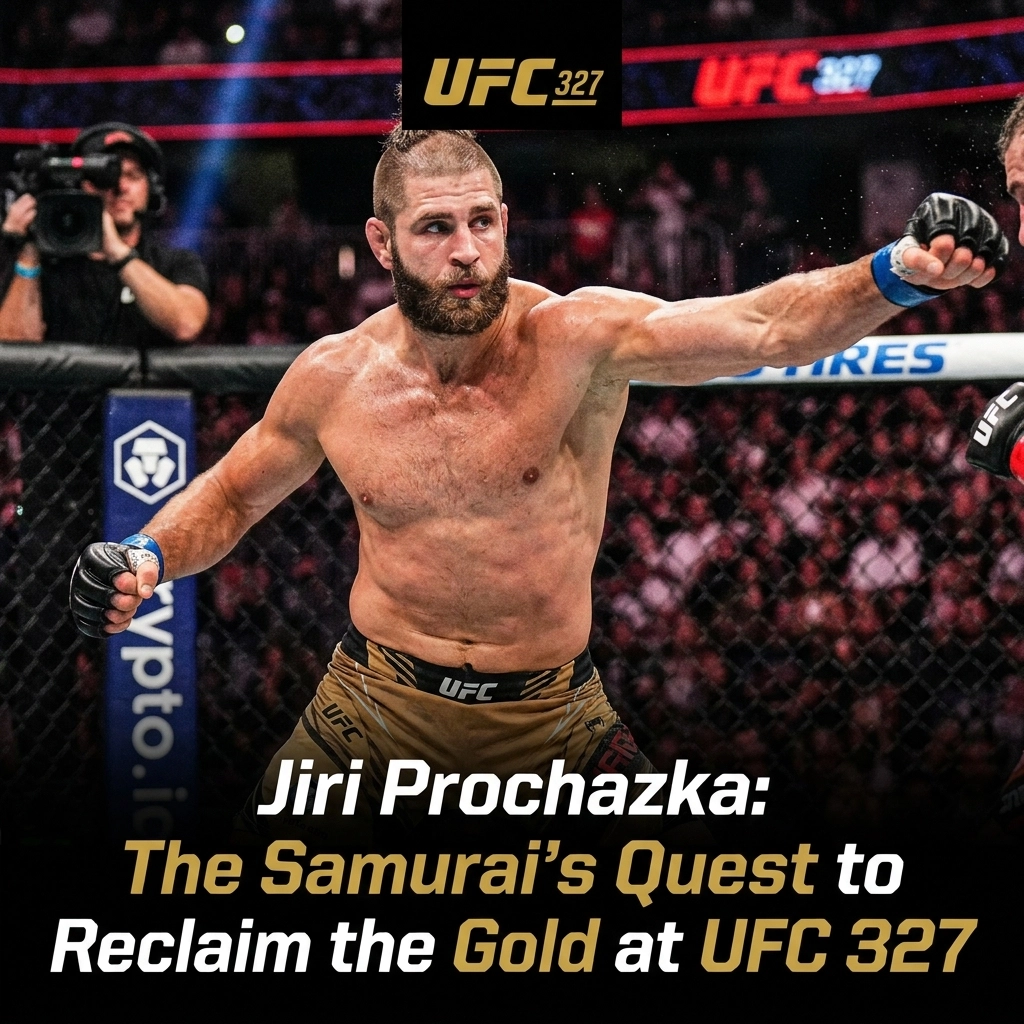
- Jiri Prochazka: The Samurai’s Quest to Reclaim the Gold at UFC 327
The Octagon doesn't care about your feelings. It doesn't care about your past glory or your highlight reels. It only cares about what you do in the next 25 minutes. On April 11, 2026, at UFC 327, Jiri Prochazka steps back into that cage with one goal: reclaiming the vacant Light Heavyweight throne. The belt is up for grabs. Alex Pereira has moved on, leaving a power vacuum in the 205-pound division. Standing in Jiri’s way is the surging Carlos Ulberg. It’s the ultimate clash of styles. The chaotic, unorthodox Bushido spirit versus the clinical, pinpoint precision of the City Kickboxing sniper. If you want to watch mma online and catch every second of this collision, you know where to be. But before the first bell rings, let’s break down how we got here and why this fight is the only thing that matters in the combat sports world right now. The Path of the Sword: Jiri’s Resurgence Jiri Prochazka isn't your average fighter. He’s a throwback. A man who lives by the "Bushido" code, spends his time training in the dark, and finds clarity in the middle of a fistfight. After the setbacks against Alex Pereira, many thought the "Samurai" had lost his edge. They were wrong. Prochazka didn't just come back; he evolved. Since those losses, Jiri has been on a tear, reminding everyone why he’s one of the most dangerous men on the planet. First, it was the clinical dismantling of Khalil Rountree Jr. at UFC 320. Then, the brutal finish of Jamahal Hill in January 2025. And let’s not forget the absolute war against Aleksandar Rakic at UFC 300. Jiri’s record now stands at an imposing 32-5-1. He’s not just winning; he’s finishing. His high-output striking and late-fight cardio have become his greatest weapons. He drags opponents into deep water and drowns them in a sea of awkward angles and flying knees. This isn't the same Jiri who first touched UFC gold. This version is more mature, more calculated, but just as violent. He’s found a balance between his wild "BJP" energy and the discipline required to stay at the top. The results speak for themselves. The Rising Threat: Who is Carlos Ulberg? While Jiri was reclaiming his spot at the top of the mountain, Carlos Ulberg was quietly building a ladder. The New Zealander has been on an absolute tear, answering every question asked of him. Ulberg isn't just another contender. He’s a specialist. His striking is world-class, coming out of the same camp as Israel Adesanya. We’ve seen him shut the lights out on Alonzo Menifield and Dominick Reyes in the first round. We’ve seen him show tactical brilliance in decision wins over veterans like Volkan Oezdemir and former champ Jan Błachowicz. Ulberg is the "composed" to Jiri’s "chaos." He doesn't waste movement. He doesn't throw "naked" kicks. Everything is set up. Everything is a trap. For Jiri, this is the ultimate test of his defensive evolution. One mistake against Ulberg, and it’s lights out. The Mindset of a Modern-Day Samurai To understand Jiri Prochazka, you have to understand his philosophy. He isn't fighting for fame or even the money. He’s fighting for the mastery of himself. He speaks of a "mental shield": a way to block out the noise of the world and focus entirely on the moment of impact. He spent months in isolation, reflecting on his losses and sharpening his mind. He’s often quoted saying that his greatest opponent is the man in the mirror. This level of psychological warfare gives him an edge. Most fighters break when things get ugly. Jiri thrives in the ugliness. He welcomes the pain because he believes it leads to truth. In this mma fight night, Jiri’s maturity will be the deciding factor. He knows he can’t just walk through Ulberg’s punches like he did in the past. He has to be the matador, not just the bull. Tactical Breakdown: Chaos vs. Precision How does this fight play out? On paper, Ulberg should have the technical advantage. He has a traditional kickboxing background and stays incredibly disciplined with his guard. He likes to maintain range and pick opponents apart with long jabs and calf kicks. If he can keep Jiri at the end of his punches, it’s going to be a long night for the Czech Republic’s finest. But Jiri Prochazka doesn't fight on paper. He fights in the gaps between the lines. Jiri’s movement is impossible to replicate in camp. He switches stances, keeps his hands at his waist, and explodes from angles that shouldn't exist. He uses his height and reach to initiate clinches where he can land those devastating elbows. The key for Jiri is the pressure. He needs to crowd Ulberg, take away his space, and make the fight "dirty." If he lets Ulberg settle into a rhythm, he’s playing into the New Zealander’s hands. If he can force a high-paced, high-variance brawl, his "samurai" spirit usually carries him through. Why You Can’t Miss UFC 327 This isn't just another title fight. This is the crowning of a new era in the Light Heavyweight division. With Pereira out of the picture, the throne is vacant, and the two best men available are ready to go to war. Jiri Prochazka is the slight favorite, currently sitting around -140. But the oddsmakers know how close this is. It’s a pick-em fight that likely won't see the judges’ scorecards. Both men are finishers. Both men are fighting for a legacy that will be etched in the history books forever. A star is born. A contender humbled. Claim Your Moment with FIGHT.TV You don't want to be the person hearing about the KO on Twitter the next morning. You want to see the sweat, the blood, and the final blow as it happens. At FIGHT.TV, we bring the cage to your living room. For only $2 a month, you get access to the most intense live and on-demand combat sports action on the planet. No hidden fees. No nonsense. Just raw, unfiltered fighting. Whether you're into MMA, bare-knuckle, or kickboxing, we’ve got you covered. Don't just watch the sport: experience it. Join FIGHT.TV now for only $2/month and make sure you’re ready for the samurai’s return at UFC 327. The Final Word Jiri Prochazka is more than a fighter; he’s a phenomenon. His journey from the small towns of the Czech Republic to the pinnacle of the UFC is the stuff of legends. But legends are only as good as their last fight. Against Carlos Ulberg, Jiri isn't just fighting for a belt. He’s fighting to prove that his philosophy works. He’s fighting to prove that the "Samurai Way" is still the most effective path to victory in the modern world. The lights will be bright. The crowd will be roaring. And when the cage door closes, there will be nowhere to hide. Two men enter. One king remains. Victory is earned. Claim yours.
- NICK DIAZ IS BACK — HEALTHY, FOCUSED, AND READY TO MOVE FORWARD
🔥 FIGHT.TV FEATURE ARTICLE Few names in MMA carry the weight, mystery, and cult‑level loyalty of Nick Diaz. For years, fans have watched the Stockton legend battle not just opponents, but life itself — setbacks, personal struggles, long layoffs, and the constant pressure of being one of the sport’s most iconic figures. Today, the story finally shifts.Nick Diaz looks healthy. Nick Diaz looks clear. Nick Diaz looks ready to live again. 🥋 A New Chapter for a Warrior After spending time in a structured recovery program in Mexico, Diaz has resurfaced with something fans haven’t seen in a long time:clarity, strength, and genuine peace in his eyes. Coaches and close friends have shared encouraging updates, noting that Diaz is: Training consistently Focused on his health Surrounded by positive support Rebuilding his life with intention This isn’t a comeback announcement.This is something bigger: a man reclaiming control of his life. 💬 The Diaz Aura Never Left Even during his absence, the MMA world never stopped talking about Nick Diaz.His influence is permanent — from the walkouts, to the attitude, to the unforgettable wars that shaped an entire generation of fighters. Now, seeing him healthy again?It hits different.It feels like a win for the entire fight community. 🌅 Life Beyond the Cage Whether Diaz ever fights again is secondary.What matters now is that he looks: Healthy Grounded Mentally present Ready to move forward with life on his own terms For a fighter who gave everything to the sport, this chapter might be the most important one yet. 🥊 A Legend Re‑Centered Nick Diaz doesn’t need a belt to be a legend.He doesn’t need a comeback fight to prove anything.His survival, resilience, and raw authenticity have always been his legacy. And now, with the world watching, he’s stepping into a new phase — one built on health, clarity, and a future he finally gets to shape. 🔥 NICK DIAZ IS BACK — AND THIS TIME, IT’S REAL LIFE THAT HE’S READY TO FIGHT FOR. AS SEEN ON FIGHT.TV
- How Intense Muay Thai Training Can Be for Pros: Demands, Routines, and Realities
Climbing to the top in Muay Thai is not easy. It takes years of dedication, long hours in the gym, and an unbreakable mindset. Professional Muay Thai fighters train with extreme intensity, often pushing their bodies through grueling workouts twice a day, six days a week. The routine includes everything from heavy cardio, technical drills, and sparring, to strict strength and conditioning sessions that leave the body exhausted. Intense Muay Thai Training. Staying sharp requires more than just physical strength. Mental toughness, precise technique, and careful attention to diet and hydration are essential every single day. For many pros, the balance of training, recovery, and injury prevention can be even harder than the fights themselves. Anyone curious about just how intense Muay Thai training can get for the pros will find the answers—and more motivation—right here. Key Takeaways Pro Muay Thai training includes strict daily routines and tough workouts Fighters build strength, skill, and mental focus to stay competitive Recovery and preparation are just as important as time spent in the gym Core Structure of Professional Muay Thai Training A pro's intense training. Professional Muay Thai fighters follow tough schedules, careful routines, and strict discipline. Their training focuses on building the body, sharpening skills, and staying mentally prepared for every bout. Typical Training Routine A pro Muay Thai training regimen is split into multiple daily sessions—usually morning and afternoon. The morning often starts with a long-distance run, usually 5-10 kilometers, to build endurance and stamina. After running, fighters spend time doing jump rope, shadowboxing, and drilling basic techniques. These drills improve coordination and warm up the body for harder work. The main session includes pad work with trainers, heavy bag work, clinch practice, and sparring. Most fighters practice for three-minute rounds, like a real bout, with short rest between rounds. Core strength exercises, such as sit-ups, planks, and push-ups, are also included daily. Training usually finishes with stretching to prevent injuries and increase flexibility. This full-body workout develops speed, technique, and power. For a breakdown of a Muay Thai workout routine, the structure is designed to mimic fight conditions. Intensity and Volume The intensity of pro Muay Thai training stands out from most other martial arts. Fighters often train twice a day, six days a week. Each session can last two to three hours. Sessions mix both high-volume cardio and explosive movements. Popular activities during these sessions include pad work, heavy bag strikes, sparring, clinching, and body conditioning drills. These are repeated at high speed and high intensity to mimic fight conditions. Resistance and aerobic training are also key for increasing strength and endurance, with some fighters adding up to five resistance training sessions and four aerobic sessions per week. Most periods between fights focus on sharpening skills, while pre-fight camps push fighters to their absolute limits. Rest is usually limited to only one day per week. Discipline and Commitment Success in Muay Thai demands a strong sense of discipline and commitment. Fighters stick to strict routines, even when they feel tired or unmotivated. Training is scheduled around consistent wake-up times, diet control, and dedicated work on every part of their Muay Thai performance. Weight management is another daily focus, often requiring fighters to monitor calories, hydration, and sleep closely. Mental strength is just as important as physical power. Building discipline means showing up for every session, listening to coaches, and pushing through discomfort. Unlike casual martial arts classes, the commitment needed for professional training is long-term and all-consuming. Missing sessions can impact performance in the ring. Physical Demands and Conditioning Workouts The demands of the work out. Professional Muay Thai athletes endure some of the most physically demanding workouts in sports. Their routines focus on building strength, boosting cardiovascular fitness, increasing flexibility, and improving agility. Strength and Conditioning Strength and conditioning are essential for Muay Thai fighters to deliver powerful strikes and withstand hard hits. Regular workouts include compound lifts such as squats, deadlifts, and push-ups. These exercises target major muscle groups and increase overall muscular endurance. Plyometric exercises like box jumps and medicine ball slams develop explosiveness and quick reaction times. Fighters often add resistance training and bodyweight exercises—such as chin-ups and dips—to improve core strength and grip. This diverse conditioning workout helps athletes generate more power in both offensive and defensive moves. Consistency is key, with most pros training several times per week to keep their fitness level high. Strength training helps with injury prevention, which allows them to train harder without getting hurt. Endurance and Cardiovascular Training Stamina is critical during long rounds and intense clinches. Endurance and cardiovascular fitness are built through exercises such as long-distance running, cycling, and skipping rope. These cardio workouts keep the heart rate elevated for extended periods, improving the body’s ability to recover between rounds. High-intensity interval training (HIIT) is another key part of conditioning. HIIT involves short bursts of max effort followed by brief rests. It develops both aerobic and anaerobic capacity. Fighters often perform sprints, pad work, and bag rounds in intervals to mimic fight conditions. This blend of conditioning and cardio helps athletes maintain high energy output while reducing fatigue. Conditioning drills ensure they can handle the physical demands of competition without slowing down. Agility and Mobility Drills Agility and mobility drills are vital for sharp movement, quick footwork, and injury prevention. Fighters train with ladder drills, cone shuffles, and shadowboxing to move swiftly in all directions. These drills enhance coordination and reaction time. Mobility exercises, including dynamic stretching, hip openers, and yoga poses, improve range of motion. Good mobility helps with kicking speed, clinch escapes, and defending against sweeps. Plyometric and balance exercises are often added to increase stability. This type of training lets fighters adapt quickly during a fight. Improving flexibility and mobility ensures that athletes can move freely and avoid strains or overuse injuries, supporting better fight performance. Technical Skill Development in Muay Thai Professional fighters must master many detailed techniques to compete at a high level. These skills include powerful strikes, solid defense, quick footwork, and strong clinch work. Striking Techniques Muay Thai is known for its diverse range of striking techniques. Fighters learn to use punches, including jabs, crosses, hooks, and uppercuts, with both speed and precision. Elbows and knees are crucial tools for close-range attacks. Proper form is essential for both power and safety. For example, when throwing a roundhouse kick, fighters rotate their hips for maximum strength and balance. Push kicks, or teeps, are used to keep opponents at a distance or disrupt their rhythm. Combinations of strikes, such as following a jab with a quick kick or finishing with an elbow, help to break through defenses. Training sessions focus on drilling these techniques repeatedly until movements are smooth and automatic. High-level Muay Thai training makes sure that every strike is delivered with perfect technique. Defensive and Counter Strategies Defense is just as important as offense in Muay Thai. Fighters develop self-defense skills to avoid injury and gain an advantage in the ring. Core defensive moves include blocking, parrying, slipping, and checking kicks. Defense often transitions directly into counters. For example, blocking a roundhouse kick and answering right away with a cross, or slipping a punch and landing a sharp elbow. Fighters learn to read their opponent's body language and react fast. Aggression must be balanced with smart defense. Sparring helps professionals practice defending against different fighting styles, building confidence under pressure. Consistent drills make defense second nature and help reduce mistakes during intense fights. Focused training on these counters elevates both defense and attack in Muay Thai. More insights on defense and consistency can be found at Burning Spirits Muay Thai. Footwork and Movement Dynamic movement is key to Muay Thai success. Fighters train constantly to improve their balance, speed, and control in the ring. Good footwork makes it easier to attack, escape, and defend. Common drills include moving in and out of range, circling opponents, and pivoting to create better angles. These movements help fighters avoid attacks and find openings for their own strikes. Quick footwork also lets them control the pace of the match. Effective movement is not just about speed. It's about timing and placement. Using the right steps, fighters can set up strong combinations or escape from dangerous spots. Proper technique during footwork drills helps avoid tripping or losing balance in the middle of a fight. For more on footwork focus, see Idea Epic's guide. Clinch Work and Clinching Drills The clinch is a unique part of Thai kickboxing that requires close contact. Fighters practice clinching to control their opponent’s head and arms, making it hard for the other person to move or attack freely. In the clinch, they use knees and elbows effectively, targeting the body or head with quick, controlled strikes. They practice sweeps and dynamic movements to off-balance opponents, earning points or setting up finishes. Drills focus on grip strength, timing, and body positioning. Fighters learn to break their opponent’s posture while staying stable themselves. Mastery of the clinch improves both offensive and defensive skills, making this an essential area for any high-level Muay Thai athlete. More tips on clinch technique and mastery can be found at Muay Thai Guy. Sparring, Recovery, and Injury Prevention Professional Muay Thai fighters face tough training sessions that can lead to injuries and long-term wear if they don't take care. Smart sparring habits, proper recovery routines, and strong injury prevention techniques protect fighters and help maintain peak performance. Sparring Protocols Sparring in Muay Thai tests a fighter’s skills under real conditions but brings a risk of injury if not handled carefully. Good gyms have clear rules: sparring should be controlled, with contact and speed adjusted to each person’s ability. Fighters often drill with partners using light to moderate intensity to focus on timing and accuracy without aiming to hurt. Essential sparring gear includes mouthguards, shin guards, gloves, and sometimes headgear. Protective equipment reduces harm from accidental strikes to the face, shins, or head. Experienced coaches monitor sessions closely and step in when athletes lose control or seem fatigued. Regular shadow boxing is often part of sparring warm-ups. This practice improves movement and technique while lowering the likelihood of overuse injuries. Fighters also train defensive skills to build reaction speed and awareness, which later helps with self-defense in real-life situations. Rest and Recovery Practices Recovery is as important as training itself. After sparring or intense drills, fighters need rest periods to let muscles heal and reduce the risk of overuse injuries. Many pros use sleep, active recovery (like light jogging or swimming), and stretching to revive their bodies between sessions. A balanced diet loaded with protein, vitamins, and minerals is crucial for muscle recovery. Several trainers recommend adding foods high in Omega-3 for their anti-inflammatory effects, which can help the body heal faster and handle the rigors of frequent fights. Hydration and regular massage also aid recovery. Some athletes schedule full rest days each week. Others blend cross-training methods, such as yoga or cycling, to keep fit while avoiding high-impact moves that can strain joints. Adjusting the training schedule after fights is common practice to prevent burnout and long-term injuries more here. Injury Management and Prevention Many injuries in Muay Thai stem from repeated impacts or poor technique. Fighters who pay attention to form and use controlled movements are less likely to suffer sprains, fractures, or muscle tears. Coaches teach fighters how to spot early signs of injury and encourage them to rest if there's swelling or pain. For injury management, the ICER method (Ice, Compression, Elevation, Rest) is a go-to first aid approach for soft-tissue trauma and bruises learn about ICER. Many gyms stress the need for quick treatment and regular check-ups if fighters feel persistent discomfort. Preventing injuries also involves using proper warm-up routines, stretching, and listening to the body’s feedback. Technical drills and regular shadow boxing sharpen skills without heavy contact, keeping fighters in shape and reducing unnecessary risks tips on injury prevention. Nutrition, Hydration, and Mental Preparation Professional Muay Thai athletes demand a lot from their bodies. To perform and recover well, they depend on smart nutrition, staying hydrated, and strong mental readiness. Nutritional Strategies A Muay Thai fighter prioritizes lean proteins, complex carbohydrates, and healthy fats at every meal. Meals often include chicken, fish, rice, sweet potatoes, eggs, and a mix of colorful vegetables. These foods supply energy and help muscles repair after intense training. Timing matters. Fighters eat a balanced meal one to three hours before hitting the gym. After training, the focus shifts to quickly refueling with both protein and carbohydrates. This helps restore muscle glycogen and speeds up muscle recovery, as highlighted in this nutrition guide for fighters. Supplements like whey protein can be useful, especially when athletes struggle to meet protein goals through food alone. Most fighters keep processed foods, sugary snacks, and fried foods at a minimum to avoid sluggishness and inflammation. Hydration and Electrolyte Balance Proper hydration is a daily priority for professional fighters. Dehydration—even as little as 2% water loss—can reduce power, speed, and focus during training. Fighters often drink water throughout the day and increase intake during heavy sessions. Replenishing electrolytes such as sodium, potassium, and magnesium is also key. These minerals prevent cramps and support muscle function. Coconut water, sports drinks, and electrolyte powders become important tools, especially after long or high-temperature training. For more on this topic, athletes can refer to advice on hydration and electrolytes for martial artists. Many fighters monitor their urine color to judge hydration status: pale yellow indicates good hydration, while dark yellow signals the need for more fluids. Mental Toughness and Preparation Physical strength alone is not enough for elite Muay Thai fighters—mental preparation is vital. Fighters use visualization techniques to picture successful moves or strategies in battle. Some keep journals to track progress and reflect on daily training. Breathing exercises and mindfulness help control anxiety, increase focus, and stabilize emotions during sparring or competition. Routine and structure play a big role; many stick to strict daily schedules that include dedicated time for mental practice. In tough matches, fighters draw on habits built in training, using positive self-talk or grounding techniques to stay composed. They recognize that mental resilience grows from consistent practice, both inside and outside the gym.
- Chris Weidman Explains Decision to Join GFL After UFC Retirement
Chris Weidman Chris Weidman, a former UFC middleweight champion, has surprised fans and analysts by signing with the Global Fight League (GFL) just days after announcing his retirement from the UFC. His appearance as Team New York’s second pick in the GFL draft has sparked curiosity about his decision to continue fighting. Addressing the move during the GFL broadcast, Weidman openly acknowledged the uncertainty surrounding his future. “The elephant in the room is I just retired from the UFC,” he admitted. “A lot of people thought I was done fighting. I didn’t know. I thought maybe I am done fighting. I was kind of open to other opportunities outside of the UFC, but it had to be good.” Weidman, 40, views the GFL as a chance to reignite his career while settling old scores. He highlighted his history with other GFL fighters, including Luke Rockhold, Gegard Mousasi, and Uriah Hall. Rockhold handed Weidman his first professional loss, and the highly anticipated rematch never materialized during their UFC tenure. Hall, on the other hand, broke Weidman’s leg in their last encounter—a moment that left a significant mark on his career. “It’s older dudes that I have a lot of history with,” Weidman said.“I love to compete and we make a whole lot of money. It’s not something I really feel like I can say no to.” Weidman’s most recent fight took place at UFC 310 in December, where he suffered a knockout loss to Eryk Anders. Despite that setback, the opportunity to compete in the GFL has reignited his passion for the sport. For Weidman, the combination of financial incentives, competitive matchups, and personal motivation makes this new chapter an exciting prospect. As Weidman transitions to the GFL, fans can look forward to seeing the veteran fighter attempt to rewrite the narrative of his storied career by facing familiar foes in a fresh setting.
- Dillon Danis Gets Roasted by Fans After Falling Late in GFL Draft
Dillon Danis Dillon Danis Gets Roasted by Fans After Falling Late in GFL Draft Dillon Danis, a polarizing figure in the combat sports world, found himself at the center of ridicule during the Global Fight League (GFL) 2025 Draft in Miami, Florida, on Friday night (Jan. 24). Despite being a decorated Brazilian Jiu-Jitsu practitioner, Danis slid down the draft boards, ultimately being picked up by Team New York in the later rounds—a far cry from the fanfare surrounding other athletes in the draft. What should’ve been a moment of triumph for Danis turned into a social media roast session, as fans and commentators alike mercilessly mocked his selection—or lack thereof. From Bellator to Burger King? Danis hasn’t competed under MMA rules since 2019, when he defeated Max Humphrey at Bellator 222. Since then, his career has been more about Twitter beefs than actual competition. His most recent foray into combat sports—a chaotic boxing match against Logan Paul in October 2023—ended in disqualification after a failed attempt to submit Paul in the ring. Danis’ inactivity and reputation as a social media troll have made him an easy target for criticism. MMA reporter Ariel Helwani took to Twitter with a tongue-in-cheek post about Danis’ draft struggles: “Source: Dillon Danis continues to fall on everyone’s draft board. Unclear if he is still sitting in the green room surrounded by loved ones at this time.” The tweet opened the floodgates for fans to pile on with their own jabs: “He was drafted by Burger King as a cashier, I believe.” “I heard Pizza Hut drafted him in the first round.” “To be fair, what do they have to go on? There are many fighters with real credentials and resumes. Dillon fought twice for Bellator like 6 years ago against people without Wikipedia links lol he’s not a fighter.” A Career of Missed Opportunities While Danis boasts legitimate grappling accolades, his lack of activity in the MMA world has severely hurt his credibility. His constant online feuds have kept him relevant, but fans argue they’ve done little to cement his place as a true fighter. One commenter summed it up perfectly: “They saw him box and realized he’s unathletic as f—k! He’s weak. He had zero chin and he’s a p—-y! He couldn’t beat a f—king trash can in the streets.” The harsh reception underscores a broader sentiment in the MMA community: the sport rewards action, not antics. Danis’ draft placement and the fan response are reflections of a career that’s leaned more on controversy than competition. What’s Next for Danis? Though Danis has secured a spot on Team New York, his road to redemption in the GFL won’t be easy. Fans are already questioning whether he’ll show up, let alone succeed, in a league filled with fighters who have proven their worth. To silence the doubters, Danis needs to shift his focus from Twitter to the cage. Otherwise, his stint in the GFL might be remembered as just another chapter in a career overshadowed by what could’ve been. As one fan aptly put it: “The bouncer that choked him out still available?” Danis has a lot to prove—if he can stop trolling long enough to fight. What do you think of Danis’ GFL future? Is the criticism warranted, or is it time for fans to give him a break? Let us know in the comments!
- How GFL Lost a $10 Million Deal: A Major Setback for the Global Fight League
GFL The United Fight League (UFL), an Arizona-based promotion founded in 2023, has officially withdrawn its $10 million investment to establish a Phoenix-based franchise within GFL. This decision, announced by UFL CEO Harrison Rogers, marks a significant setback for GFL as it navigates the challenges of bringing its bold vision to life. What Went Wrong? The initial spark of collaboration between GFL and UFL ignited in early 2024, when Harrison Rogers and GFL Commissioner Darren Owens met at UFL headquarters in Mesa, Arizona. Owens presented a compelling blueprint for GFL’s innovative team-based league, which Rogers described as “impressive.” Rogers expressed tentative interest in committing to a Phoenix franchise, contingent on GFL maintaining the direction and principles outlined during their meeting. However, over the months, GFL’s model and future plans appear to have shifted. In his statement, Rogers clarified that these changes—along with mounting comparisons between the two leagues—prompted UFL to reevaluate its position. “Due to many online comparisons between GFL and UFL, as well as confusion stemming from an article describing my involvement with a franchise within GFL, it’s important to clarify a few points,” Rogers explained. Ultimately, the UFL decided to withdraw entirely from GFL’s vision, focusing instead on its own mission to build “the NBA of MMA” by prioritizing a strong foundation in the United States. UFL’s Strategic Focus: Stability Over Ambition Rogers’ decision reflects a fundamental difference in philosophy between the two organizations. While GFL has leaned heavily into global expansion and future promises, UFL has already delivered tangible results: Health Insurance and Retirement Benefits: UFL provides these to its exclusive fighters, setting a high standard for fighter welfare. City-Vs-City Team Competitions: UFL’s point-based system has resonated with fans, creating an exciting, easy-to-follow dynamic that builds civic pride. Proven Track Record: With five successful events under its belt, UFL has established itself as a rising force in the MMA world. Meanwhile, GFL’s ambitious plans for health and wellness reforms and athlete benefits remain largely theoretical. What Does This Mean for GFL? GFL’s debut season, slated to begin in April 2025, is still generating buzz, thanks to its lineup of high-profile fighters, including eight former UFC champions. The promotion has also gained attention for its revised weight class system, which aims to prioritize athlete health. However, the loss of a $10 million investment and a key partnership with UFL raises questions about GFL’s readiness to deliver on its promises. While the league’s aspirations are exciting, execution will be critical in the months leading up to its debut event. What’s Next? Harrison Rogers and UFL are moving full steam ahead, doubling down on their mission to grow a robust, city-focused MMA league in the United States. Meanwhile, GFL must address the challenges of scaling its ambitious plans without UFL’s support. As both organizations work to carve out their place in the MMA landscape, one thing is clear: the competition is heating up, and the stakes have never been higher. Will GFL overcome this setback and redefine the sport with its global team-based model? Or will UFL’s steady, proven approach emerge as the dominant force in MMA’s future? Only time will tell, but one thing is certain—MMA fans will be watching closely. What are your thoughts on GFL’s setback and UFL’s decision to pull out? Let us know in the comments below! FIGHT.TV is here for it!