Search Results
Search this site
8507 results found with an empty search
- Brandon Royval vs. Manel Kape Set to Ignite UFC 317 in Las Vegas
The wait is over—Brandon Royval and Manel Kape are finally ready to collide at UFC 317, and the stakes couldn’t be higher. After months of uncertainty, the highly anticipated flyweight showdown has officially been rescheduled for June 28 at the T-Mobile Arena in Las Vegas, during UFC’s International Fight Week. MMA Fighting confirmed the matchup on Thursday, with initial news broken by Laerte Viana. This bout has been brewing since March when Royval and Kape were originally slated to headline UFC Vegas 103. However, fans were disappointed after Royval pulled out due to lingering concussion issues. Kape, undeterred, took on Asu Almabayev on short notice and delivered an emphatic third-round TKO. Now with Royval medically cleared and hungry for redemption, this fight carries even more weight—both literally and figuratively. Ranked No. 1 in the flyweight division, Royval is looking to secure another title shot after coming up short in a decision loss to champion Alexandre Pantoja at UFC 296. Since then, he’s racked up two wins and is determined to prove he’s still the top contender. Conversely, Manel Kape has quietly built serious momentum of his own, winning six of his last eight since his loss to Pantoja. A win here could be his ticket to the title conversation. As the first marquee matchup announced for UFC 317, Royval vs. Kape could very well steal the spotlight during the promotion’s biggest week of the year. Expect fireworks when these two elite flyweights finally step into the Octagon.
- Magomed Umalatov Out of PFL World Tournament 1 After Missing Weight
The 2025 PFL World Tournament 1 suffered a last-minute shakeup as Magomed Umalatov was forced out of the competition after missing weight during Wednesday’s weigh-ins in Orlando, Florida. Umalatov stepped onto the scale at 173.6 pounds, exceeding the welterweight limit of 171 pounds, which resulted in his removal from the tournament. Stepping in as an alternate, Joseph Luciano will replace Umalatov and face Logan Storley in the welterweight quarterfinals. Updated PFL World Tournament 1 Welterweight Bracket Magomed Umalatov is OUT. Joseph Luciano steps in as an alternate. New matchup: Logan Storley vs. Joseph Luciano. The tournament event, taking place Thursday at Universal Studios Orlando, features both the welterweight and featherweight quarterfinals. While the welterweight division saw a major shake-up with Umalatov’s exit, the featherweight tournament field remained intact, as all fighters successfully made weight. Full 2025 PFL World Tournament 1 Weigh-in Results Main Card: Jason Jackson (170.8) vs. Andrey Koreshkov (171) – Welterweight quarterfinal Jesus Pinedo (145.6) vs. Ádám Borics (145.4) – Featherweight quarterfinal Joseph Luciano (170.4) vs. Logan Storley – Welterweight quarterfinal Jeremy Kennedy (145.8) vs. Movlid Khaybulaev (145.4) – Featherweight quarterfinal Preliminary Card: Mukhamed Berkhamov (171) vs. Thad Jean (170.8) – Welterweight quarterfinal Gabriel Braga (144.4) vs. Frederik Dupras (145.6) – Featherweight quarterfinal Giannis Bachar (170.6) vs. Masayuki Kikuiri (169.4) – Welterweight quarterfinal Nathan Kelly (146) vs. Kim Tae-kyun (145.2) – Featherweight quarterfinal With the PFL World Tournament 1 finalized, the welterweight and featherweight divisions are set to deliver high-stakes action in their eight-man brackets.
- How Dante Leon balances life as coach and ONE World Title challenger
Dante Leon has mastered the delicate art of balancing multiple roles in the world of jiu-jitsu. As both a gym owner and elite competitor, Leon coaches up to four classes daily while maintaining his rigorous training schedule required for high-level competition. The Brazilian jiu-jitsu champion considers his dual role as competitor and coach a unique strength that enhances both aspects of his career while preparing for world title opportunities. This balancing act isn't new for Leon, who has been running his own academies while competing at the highest levels of the sport. Before challenging Tye Ruotolo for the ONE Championship Welterweight Submission Grappling World Title, Leon spoke about how growing his own BJJ academies while competing at an elite level was "a very, very special thing" to him. His commitment to teaching hasn't diminished his competitive fire—instead, it seems to fuel it. Leon's approach to this balance shows a deep understanding of the jiu-jitsu ecosystem. He relishes the opportunity to teach while training for his championship opportunities, suggesting that sharing knowledge with students actually reinforces his own technical understanding and development as an athlete. This symbiotic relationship between coaching and competing has become a hallmark of Leon's career in the grappling world. Dante Leon's Coaching Philosophy Dante Leon's approach to coaching combines rigorous technical training with personal development principles, creating a holistic methodology that has distinguished his academies and competitive style. His philosophy emphasizes both the physical techniques and mental aspects of grappling. Integrating MMA Techniques with Personal Growth Dante Leon believes that jiu-jitsu and submission grappling extend far beyond the mats. He emphasizes personal development through martial arts training, viewing the evolution of his students as both athletes and individuals. His teaching methodology draws parallels to Darwinian principles of adaptation and evolution, where techniques must constantly evolve to remain effective. Students in Leon's academies learn to adapt their skills to changing circumstances, much like species adapt to new environments. Leon's coaching emphasizes problem-solving skills and critical thinking. "I was tired of not knowing the answers," he has stated regarding his own development, a mindset he now instills in his students. Balancing Competitive Edge and Sportsmanship Leon's competitive mindset shapes his coaching approach, but never at the expense of sportsmanship. He trains his students to pursue victory while respecting their opponents, maintaining the delicate balance between aggression and control. His academies focus on three key principles: Technical excellence in all positions Mental resilience during difficult matches Ethical competition practices Having balanced his roles as a gym owner, coach, and elite competitor, Leon understands the importance of maintaining perspective. He teaches that natural selection in combat sports favors not just the strongest, but those who intelligently adapt their strategies. Leon's experiences as a Canadian powerhouse in the sport inform his teaching, helping students understand that continuous education and evolution are necessary for success in both competition and life. Journey to the ONE World Title Dante Leon's path to challenging for the ONE World Title represents years of dedication, competitive excellence, and strategic career planning while maintaining his responsibilities as a coach and gym owner. The Ascent of a Challenger Dante Leon established himself as a formidable competitor long before entering the ONE Championship spotlight. As a two-time IBJJF World Champion, Leon built a reputation for technical precision and competitive grit. His journey through the ranks of professional jiu-jitsu created the foundation for his title opportunity. Leon's competitive schedule intensified as he caught the attention of ONE Championship executives. The Canadian grappler faced elite opposition consistently, proving himself worthy of a championship opportunity against Tye Ruotolo for the Welterweight Submission Grappling World Title. This opportunity didn't come by chance but through demonstrated excellence against top-tier talent. Strategic Training and Mental Preparation Leon's preparation for his title shot required careful restructuring of his training regimen. He maintained his coaching duties while simultaneously elevating his personal training intensity and focus. The challenger implemented specialized training blocks addressing specific technical areas needed against Ruotolo. His experience as both coach and competitor gave him unique insights into strategic preparation. Mental preparation proved equally important as physical training. Leon developed visualization techniques and mental frameworks to prepare for the championship environment. His preparation included studying Ruotolo's techniques and tendencies while developing counter-strategies. Leon embraced the teaching aspects of his training camp, using instruction time to reinforce fundamentals critical to his title challenge. Life Beyond the Ring Dante Leon's life extends far beyond his achievements in jiu-jitsu and coaching. He has cultivated intellectual pursuits and creative interests that provide balance to the physical demands of his competitive career. Pursuit of Higher Education Dante Leon has maintained his commitment to academic growth while balancing his responsibilities as a gym owner. Despite his packed schedule of training and teaching multiple classes daily, he has pursued higher education to broaden his horizons. His academic interests complement his athletic career, providing him with business acumen that supports his entrepreneurial ventures in running jiu-jitsu academies. Leon recognizes the importance of education in creating sustainability beyond his competitive years. This dedication to learning mirrors his disciplined approach on the mats—methodical, thorough, and forward-thinking. Leon often mentions how his studies have enhanced his analytical abilities in competition. Engagement in the Arts and Literature Beyond the physical demands of jiu-jitsu, Leon finds creative outlets through various art forms and literature. He appreciates these pursuits as mental respites from the stress and drama that can surround professional competition. His artistic interests include attending opera performances when his travel schedule permits. These cultural experiences provide contrast to the intense physical environment of grappling competitions. Leon also exchanges letters with mentors and colleagues in the jiu-jitsu community, maintaining connections through this traditional form of communication. He occasionally dabbles in illustrations related to movement and technique, visualizing concepts that help in his teaching methodology. These diverse interests contribute to Leon's well-rounded personality and offer him mental rejuvenation as he prepares for high-stakes matches like his title challenge against Tye Ruotolo.
- Shavkat Rakhmonov: A Rising Star in the Welterweight Division
Shavkat Rakhmonov is making waves in the mixed martial arts world, particularly in the welterweight division. His unique fighting style and impressive record positions him as a serious contender for the title. Fans and analysts alike are eager to see how this rising star will shape the future of the sport. Rakhmonov's journey from his early days to the UFC showcases his dedication and skill. With each performance, he demonstrates not just raw talent, but also strategic thinking and adaptability in the octagon. His ability to finish fights keeps spectators on the edge of their seats, further cementing his status as a fighter to watch. As he continues to grow, questions arise about his potential challenges and future prospects in the UFC. With the landscape of the welterweight division constantly evolving, Rakhmonov is undoubtedly a name that will remain prominent for years to come. Key Takeaways Rakhmonov has quickly established himself as a top prospect in the welterweight division. His fighting style combines technical skills with an aggressive approach. Future challenges may test his abilities, but he shows great potential for success. Early Life and Background of Shavkat Rakhmonov His journey in the sport of mixed martial arts began early in his life. His background and initial experiences played a significant role in shaping his career as a fighter. Birth and Early Years Shavkat Rakhmonov was born on June 23, 1994, in Shymkent, Kazakhstan. He grew up in a region where sports, especially combat sports, were an important part of the culture. Rakhmonov was influenced by his surroundings, which emphasized discipline and physical fitness. From a young age, he showed a talent for athletics. He enjoyed various sports, but combat sports captured his interest the most. The determination he displayed during his childhood laid the groundwork for his future endeavors in mixed martial arts. Initial Training and Inspiration Rakhmonov began his formal training in martial arts at an early age. He started with traditional wrestling and later transitioned to other combat disciplines. His early experiences taught him valuable skills and techniques that would benefit him. His main inspirations were local fighters and trainers who guided him through the early stages of his training. He admired their dedication and success, which motivated him to push harder. This solid foundation in training helped him develop a competitive spirit that would later define his career in the welterweight division. Martial Arts Journey Shavkat Rakhmonov's path in martial arts has been marked by discipline and determination. His transition from traditional disciplines to mixed martial arts has set the groundwork for his success. Transition to Mixed Martial Arts Shavkat started his martial arts training in judo before moving to boxing. This combination helped him build a strong foundation in grappling and striking. He developed skills in both areas, making him a well-rounded fighter. In 2017, Rakhmonov made his professional MMA debut. His early fights showcased his striking power and grappling ability. This mix allowed him to win against tough opponents quickly. Rakhmonov's strategic fight style emphasizes control and effective striking. He joined various promotions, which helped him gain experience. His transition to MMA was smooth, demonstrating his dedication to training. Rakhmonov aims to become a champion in the welterweight division. Amateur Competition Record Before turning professional, Rakhmonov had a successful amateur career. He competed in many local and international tournaments. This experience helped him sharpen his skills in a competitive environment. His amateur record includes numerous victories, with many wins by knockout or submission. These victories showcased his talent and potential. They also helped build his confidence as he prepared for the professional level. Participating in amateur competitions allowed him to understand different fight styles. This understanding is valuable as he faces diverse opponents in his professional career. Rakhmonov’s amateur success laid a strong foundation for his future in mixed martial arts. Professional Debut and Rise Shavkat Rakhmonov began his professional career with a series of impressive victories. His early fights showcased his skills and determination. This section outlines his early career achievements and his ambitions in championship competitions. Early Career Highlights Shavkat Rakhmonov made his professional debut in 2018. He quickly gained attention by finishing his first three opponents. Each fight demonstrated his ability to strike effectively and grapple with skill. In 2019, Rakhmonov fought for the World Series of Fighting (WSOF) title. He won the bout by submission in the second round, marking a significant milestone. His finishing ability extended to other fights, where he consistently showcased aggression and control. By 2020, Rakhmonov was an undefeated fighter with multiple finishes, establishing himself in the welterweight scene. His performance in respected promotions earned him recognition and a growing fan base. Championship Pursuits Rakhmonov’s pursuit of championships intensified as he moved up the ranks. After joining the UFC, he aimed to prove himself against top contenders. His striking power and grappling skills made him a serious threat. In 2021, he faced a well-respected opponent in his UFC debut. He won the fight with a first-round submission, raising his profile further. Each victory brought him closer to championship opportunities in the welterweight division. As of his latest fights, Rakhmonov remains undefeated and continues to seek title shots. Fans and analysts alike see him as a potential future champion. His combination of talent and determination sets him on a promising path in the welterweight division. UFC Entry and Performance Shavkat Rakhmonov made a significant impact in his UFC debut and has shown impressive skills in his subsequent fights. His performances highlight his potential as a key player in the welterweight division. Debut Fight Impact Rakhmonov entered the UFC with high expectations after a successful career in other promotions. He made his UFC debut on October 30, 2020, against Alexey Kunchenko. In this fight, he showcased his grappling skills and striking ability. Rakhmonov won the match via submission in the second round. This performance caught the attention of fans and critics alike, proving he could compete at the highest level. His dynamic style and determination made it clear that he belonged in the UFC's competitive environment. Notable Victories After his debut, Rakhmonov continued to impress with his fight record. He secured notable victories against skilled opponents, such as Michel Pereira and Carlston Harris. Against Pereira, Rakhmonov displayed his striking and grappling versatility, winning by submission. This fight emphasized his capability to finish fights decisively. His ability to stop opponents has led to a perfect record of undefeated in the UFC. With strong performances, Rakhmonov is quickly becoming a name to watch in the welterweight division. Fighting Style and Techniques Shavkat Rakhmonov is known for his unique blend of striking and grappling skills. His approach in the octagon showcases adaptability and precision. This section highlights how his techniques in both striking and ground game contribute to his success. Striking and Stand-Up Skills Rakhmonov's striking is characterized by powerful punches and sharp kicks. He utilizes strong jabs and crosses to set up combinations. His ability to maintain distance helps him avoid counters while landing clean shots. Power: Many opponents feel the impact of his strikes, often leading to knockouts. Footwork: He uses quick foot movements to create angles for effective attacks. Defense: Rakhmonov effectively evades incoming strikes with head movement and footwork, minimizing damage. His mixing of strikes keeps opponents guessing and can open up opportunities for takedowns. Ground Game and Grappling On the ground, Rakhmonov is equally dangerous. He has excellent grappling skills and can control opponents effectively. His wrestling background allows him to dictate the pace of the fight. Submissions: Rakhmonov is known for securing submissions, with many victories coming via choke holds. Control: He maintains dominant positions and can strike effectively from the top. Escaping: If taken down, he shows skill in getting back to his feet quickly. His ground game complements his striking, making him a well-rounded fighter in the welterweight division. Training and Preparation Shavkat Rakhmonov focuses on intense training and careful preparation. His routine includes camp specifics and a strategic approach to each fight. Camp and Conditioning Regimen During his training camp, Rakhmonov follows a strict schedule. His daily routine often includes: Morning Workouts: These usually focus on cardio, helping build endurance. Afternoon Sessions: He concentrates on grappling techniques and striking skills. Strength Training: This is done several times a week to increase power. Nutrition plays a key role in his regimen. Eating a balanced diet with plenty of protein helps him maintain his weight and strength. Rakhmonov also incorporates recovery days, which include activities like yoga or swimming. This approach keeps him fit and ready for competition. Strategic Fight Planning Rakhmonov spends significant time studying his opponents. He reviews fight footage to identify strengths and weaknesses. This helps him create a tailored game plan. His teams hold strategy meetings before fights. These discussions focus on: Tactics: Determining what techniques and attacks to use. Defense: Planning ways to counter the opponent's moves. Rakhmonov often practices specific scenarios to ensure he is prepared. This thorough preparation can make a difference in fights. Achievements and Records Shavkat Rakhmonov has made significant strides in the welterweight division. His milestones and title achievements set him apart as a key contender in mixed martial arts. The following sections detail his notable performances and records. UFC Milestones Rakhmonov arrived in the UFC with a strong background and impressive skills. He quickly made a name for himself with a perfect finishing rate. Rakhmonov has won all his fights in the UFC by finish, which includes both knockouts and submissions. As of March 2025, his professional record stands at 18 wins and no losses, featuring several victories over top-ranked opponents. His ability to end fights decisively showcases his talent and potential for future title runs. Title Fights and Defenses Shavkat Rakhmonov has yet to compete for a UFC title. However, he is on a clear trajectory toward that goal. His fight style and past performances have put him in the conversation for future title shots. He has shown the ability to handle high-pressure situations, making him a strong candidate for future championship bouts. If he continues this trend, it is likely that he will compete for the welterweight title soon. Comparisons to Welterweight Contemporaries Shavkat Rakhmonov stands out in the welterweight division. His skills and performance make him a notable competitor among his peers. Examining his ranking and potential match-ups provides insight into his current status. Ranking Within the Division As of March 2025, Shavkat Rakhmonov has climbed the rankings in the welterweight division. With his impressive record and finishing ability, he is seen as a top contender. Currently, he ranks in the top five, sitting close to established fighters like Kamaru Usman and Colby Covington. His recent victories have shown his ability to compete with elite fighters. In addition, Rakhmonov's fighting style is aggressive, making him a threat to anyone in the division. Potential Match-Ups Shavkat Rakhmonov has several intriguing match-ups ahead. A potential fight against Leon Edwards could highlight Rakhmonov's striking skills against a champion known for his technical ability. Another exciting option is a clash with Belal Muhammad, who is known for his grappling. Rakhmonov's finishing ability could challenge both fighters, offering fans thrilling contests. These match-ups would not only test Rakhmonov's skills but also shape the future of the welterweight division. Each fight would draw significant attention, further establishing Rakhmonov in the sport. Public Perception and Impact Shavkat Rakhmonov's rise in the welterweight division has caught the attention of both media and fans. His fighting style and results shape a growing presence in the sport. Media Coverage and Prominence Rakhmonov has received significant media attention due to his impressive performances. His finishing abilities and fighting style have led to enthusiastic coverage in sports news outlets. Major sports networks spotlight him in discussions about the future of the welterweight division. Analysts often highlight his potential to become a title contender. Social media platforms also play a key role in his visibility, as highlights of his fights go viral. This media exposure helps build his brand and reach wider audiences. Fan Base and Marketability Rakhmonov's fan base is expanding rapidly, fueled by his exciting fighting style and charismatic personality. Fans appreciate his dedication and skill, often expressing their support through social media. He engages with fans, creating a loyal following. His marketability increases with each victory, leading to sponsorship opportunities and merchandise sales. The rise in popularity makes him an attractive fighter for promotional events and fights. This growing fan interest is crucial for his career and the welterweight division as a whole. Potential Challenges and Future Prospects Shavkat Rakhmonov faces significant challenges as he advances in the welterweight division. His journey includes the need to maintain his top position while also navigating a competitive landscape. Key factors influencing his future include emerging rivals and the importance of longevity in his career. Emerging Rivals As Rakhmonov climbs the ranks, he will face new and established fighters. Rising stars can pose threats as they bring fresh styles and strategies. Fighters like Sean Brady and Micheal Chiesa are examples of competitors he may encounter. Each rival has unique skills, making matchups critical. He must also consider the veteran fighters who have experience and ring IQ, such as Jorge Masvidal and Stephen Thompson. These seasoned opponents have seen it all and will test his adaptability. Consistently performing against diverse styles will be crucial for Rakhmonov's success. Longevity and Career Management Managing his career effectively will be essential for Rakhmonov. The welterweight division is demanding, and injuries can impact performance. A solid training plan focusing on injury prevention is key. He needs to work with top coaches to enhance his skills and stay at peak physical condition. Additionally, Rakhmonov must balance fight frequency and recovery time. Taking too many fights in a short period can lead to burnout. By prioritizing his long-term health, he can maintain a successful and enduring career in the sport.
- Carlos Prates: The Smoking Enigma Preparing for UFC Kansas City
Carlos Prates Smokers 8-10 cigarettes a day Carlos Prates: The Smoking Enigma Preparing for UFC Kansas City UFC welterweight Carlos Prates, known as "The Nightmare," is gearing up for a high-stakes main event against Ian Garry at UFC Kansas City on April 27, 2025. Despite his impressive 21-6 record and a remarkable 11-fight winning streak, Prates harbors a personal habit that has raised eyebrows within the MMA community: his daily cigarette consumption. Cigarettes A Habit Rooted in Youth Prates began smoking at the tender age of 12 or 13. He shared that during his youth, unsupervised time led him to adopt this habit, stating, "I remember like I was on the street for all day... And then, you know, here in Brazil, if you're living on the street with your friends, you're gonna learn a lot of bad things." Smoking Amidst Success Even as his professional career flourishes, Prates continues to smoke, reportedly consuming 8 to 15 cigarettes daily, with higher intake during social events. Notably, after his victory over Charlie Radtke in June 2024, Prates was seen enjoying a cigarette upon learning of his $50,000 performance bonus. Smoking's Health Implications Health Implications and Fight Preparation While Prates attributes his continued smoking to personal preference, it's essential to acknowledge the well-documented health risks associated with tobacco use, especially for athletes. Smoking can lead to reduced lung capacity, compromised cardiovascular health, and increased fatigue—all factors that could influence a fighte Anticipating the Impact on Cardio Given Prates' smoking habits, observers are keen to assess his cardiovascular endurance in the upcoming fight against Garry. Historically, fighters with compromised cardio have faced challenges against opponents who can maintain a relentless pace. It will be intriguing to see if Prates' rigorous training regimen can counteract potential cardio limitations stemming from his smoking. Michael Jordan Smoking Athlete Smokers Despite the well-known health risks associated with smoking, several elite athletes have maintained the habit while achieving extraordinary success. Michael Jordan, widely regarded as the greatest basketball player of all time, famously smoked during the early years of his career. John Daly, a golf legend, continued smoking throughout his career, even while competing at the highest levels. Tennis icon Andre Agassi also admitted to smoking during his prime, though he later transformed his lifestyle. These athletes FIGHT.TV Breaks Down Smoking and Fighting Carlos Prates' story is a testament to individual resilience and the complexities athletes face outside the arena. As UFC Kansas City approaches, fans and analysts alike will be watching closely, not just for the fight's outcome, but also to see how Prates' unique lifestyle choices influence his performance in the Octagon. Carlos Prates' Smoking Habit Raises Eyebrows Ahead of UFC Kansas City Carlos Prates Smoking Habits broken down by Chael Sonnen
- PFL 2 Results: Marcirley Alves Upsets Leandro Higo
The PFL's second event of the season showcased intense competition at Universal Studios Florida in Orlando. This event marked the opening rounds of both the bantamweight and women's flyweight tournaments, with several expected frontrunners experiencing early exits. In the main event, Marcirley Alves stepped in on short notice to secure a significant victory over Leandro Higo, previously a Bellator title challenger. Alves was not the original opponent; he replaced both Magomed Magomedov and Josh Rettinghouse before the fight. Initially slated for an alternate bout, Alves seized the opportunity, demonstrating remarkable takedown defense and striking speed, which left Higo visibly unsettled. Alves will move on to face Jake Hadley in the next stage of the tournament. Hadley drew attention with an impressive performance, securing a win against Mattheus Mattos via submission using the Scottish Twister technique in the third round. This submission is notably rare in the PFL context, with Hadley becoming only the second fighter to utilize it since its most famous practitioner, Stevie Ray. In the co-main event, Liz Carmouche showcased her striking skills against Ilara Joanne, swiftly advancing to the semifinals of the women’s flyweight bracket. Carmouche sought a body shot finish, and she achieved this goal by landing a knee strike that floored Joanne, followed by a series of effective body shots that led to a first-round stoppage. Next, Carmouche will face Elora Dana, who earned her place by submitting Diana Avsaragova with a neck crank in the opening fight of the night. The evening also included Mando Gutierrez and Justin Wetzell advancing in their respective matches. Gutierrez submitted Francesco Nuzzi through a rear-naked choke in the first round. Wetzell, on the other hand, dominated Kasum Kasumov to take a unanimous decision victory. The two will now face each other in the semifinals set for June. Notably, in a featured preliminary bout, former Bellator women’s flyweight champion Julianna Velasquez faced a setback against Ekaterina Shakalova. Velasquez was decisively submitted with a rear-naked choke just over two minutes into the first round, marking a significant upset in the tournament. Shakalova will next compete against Jena Bishop, who secured a win over Kana Watanabe earlier in a competitive decision fight. Below is a summary of the results from PFL 2: Fight Result Marcirley Alves vs. Leandro Higo Alves def. Higo via split decision (29-28, 28-29, 29-28) Liz Carmouche vs. Ilara Joanne Carmouche def. Joanne via TKO (knee and punches to the body) — Round 1, 1:25 Mando Gutierrez vs. Francesco Nuzzi Gutierrez def. Nuzzi via submission (rear-naked choke) — Round 1, 4:13 Justin Wetzell vs. Kasum Kasumov Wetzell def. Kasumov via unanimous decision (29-28, 30-27, 30-27) Ekaterina Shakalova vs. Julianna Velasquez Shakalova def. Velasquez via submission (rear-naked choke) — Round 1, 2:05 Jake Hadley vs. Matheus Mattos Hadley def. Mattos via submission (Scottish twister) — Round 3, 2:16 Jena Bishop vs. Kana Watanabe Bishop def. Watanabe via unanimous decision (30-27, 30-27, 29-28) Elora Dana vs. Diana Avsaragova Dana def. Avsaragova via submission (neck crank) — Round 1, 4:48 The tournament's competitive nature sets the stage for exciting matchups in the upcoming rounds.
- Catch Wrestling vs. BJJ: Examining Grappling Philosophies in MMA
Catch wrestling and Brazilian Jiu-Jitsu (BJJ) represent two distinct philosophies in the world of grappling, each with its unique techniques and strategies. Understanding how these arts differ is crucial for anyone involved in mixed martial arts (MMA) or those looking to enhance their grappling skills. The evolution of grappling within MMA shows how both styles have influenced fighters and shaped the sport’s competitive landscape. Catch wrestling emphasizes aggressive pinning and control, while BJJ focuses on positional dominance and submissions. Each style offers practical advantages and challenges in competition, as fighters adapt their training to suit the rules and expectations of MMA. The debate over which is superior continues, but both arts contribute significantly to the success of fighters today. As the world of grappling evolves, understanding these differences can enhance not just performance in the cage but also the appreciation of two rich traditions. Both arts continue to grow and change, making the exploration of their differences more relevant than ever. Key Takeaways Catch wrestling focuses on aggressive control and pinning techniques. BJJ emphasizes positional strategy and submission skills. Both styles have significantly influenced mixed martial arts competitions. Evolution of Grappling Within MMA The landscape of grappling in MMA has changed significantly over the years. This evolution reflects the blending of various martial arts, each contributing unique techniques and philosophies that enhance competition. Catch wrestling and Brazilian Jiu-Jitsu (BJJ) are two of the most influential grappling styles. Historical Development Grappling has deep roots in martial arts history. It can be traced back to ancient combat practices like catch wrestling and judo. Catch wrestling was prominent in the late 19th century and emphasized pinning techniques and submissions. It laid a foundation for many modern grappling styles. As the sport evolved, Brazilian Jiu-Jitsu emerged in the early 20th century, focusing on ground fighting and submissions. The rise of Vale Tudo in Brazil showcased these grappling techniques in combat sports. The formation of the UFC in the 1990s marked a pivotal moment. It allowed fighters from various disciplines to compete, leading to the integration of grappling styles in a mixed martial arts context. Influence of Catch Wrestling and BJJ Catch wrestling greatly influenced the development of grappling within MMA. Its emphasis on aggressive pinning and control techniques shaped fighters' approaches to grappling in combat. Catch wrestlers often brought a strong wrestling foundation, enabling them to dominate opponents. On the other hand, Brazilian Jiu-Jitsu introduced a focus on leverage and technique. BJJ practitioners excel in submission grappling, bringing new strategies to the Octagon. Their ability to transition between standing and ground positions has been crucial in evolving modern grappling. Both styles have influenced grappling in MMA, making them essential for success in the sport. The blend of techniques from catch wrestling, BJJ, and other styles like sambo and judo has created a diverse and dynamic grappling landscape within the UFC and beyond. Fundamentals of Catch Wrestling and BJJ Catch wrestling and Brazilian Jiu-Jitsu (BJJ) have different approaches to grappling, each with unique principles and techniques. Understanding these fundamentals helps practitioners appreciate the strengths and strategies of both styles. Key Principles of Catch Wrestling Catch wrestling emphasizes control and force to secure submissions. Its main goal is to pin the opponent or force them to submit through strong, aggressive techniques. Key elements include: Aggression: This style encourages fighters to apply pressure and dominate their opponents. Submission Game: There’s a focus on using holds and joint locks to force submissions rather than relying solely on positional advantage. Pinned Techniques: Catch wrestling often seeks to secure the opponent in a pinned position, limiting their movement and options. The philosophy behind catch wrestling is to impose one's will on the opponent, making it a more forceful form of grappling. Core Concepts of Brazilian Jiu-Jitsu BJJ prioritizes technique, leverage, and positional control. It teaches practitioners how to use their body mechanics to defend and submit opponents, regardless of size. Important concepts include: Guard Position: BJJ often begins from the guard, where one fighter uses their legs to control their opponent's movement while seeking submissions. Positional Hierarchy: It’s crucial to achieve dominant positions before attempting to submit an opponent. Flow and Transition: BJJ encourages smooth transitions between positions, using techniques that adapt to the opponent’s movements. This style is often seen as more strategic, focusing on patience, technique, and timing to outmaneuver an opponent. Techniques and Training Catch wrestling and Brazilian Jiu-Jitsu (BJJ) each offer unique techniques and training methods that shape how practitioners approach grappling. Understanding these differences is essential for anyone looking to train in either discipline. Signature Moves in Catch Wrestling and BJJ Catch wrestling is known for its aggressive techniques. Signature moves include cradles and neck cranks, which are designed to control and submit opponents quickly. The emphasis is on effective pinning and dominance. In contrast, BJJ highlights techniques like arm bars, triangle chokes, and kimuras. These moves focus on using leverage and technique over sheer strength. Practitioners learn to set up submissions through positioning and guard play. Catch wrestling often employs a more direct approach, while BJJ encourages a fluid connection with each movement. Training Environment and Drilling Training for catch wrestling often takes place in a wrestling camp setting. Drilling focuses on specific sequences that emphasize takedowns and control. This approach helps wrestlers build strength and resilience. BJJ training typically includes rolling and live sparring, allowing practitioners to apply techniques in real-time. Drilling techniques is done through repetitions to enhance muscle memory. Both styles require consistent practice to effectively execute techniques under pressure, but they differ in their training environments and methods. Catch wrestling values intense, focused drilling, while BJJ emphasizes adaptability through sparring scenarios. Strategy and Adaptability in Competition In grappling competitions, strategy and adaptability are crucial for success. Catch wrestling and Brazilian Jiu-Jitsu (BJJ) have different approaches that influence how practitioners adapt during fights. Strategic Differences Between Catch Wrestling and BJJ Catch wrestling emphasizes a direct and aggressive approach. The goal is often to secure pins and submissions quickly. Techniques like double leg takedowns are common, allowing wrestlers to control opponents effectively. This strategy focuses on constant pressure and pushing for dominance. In contrast, BJJ employs a more patient strategy. Practitioners prioritize position over submission. They often pull guard to initiate ground control, seeking to create openings for leverage and submissions. This method allows for reversals, enabling practitioners to transition from a disadvantageous position to a dominant one. Adapting Techniques for MMA When competing in MMA, both styles require quick adaptations. Catch wrestlers may rely on their takedown skills and wrestling control to dictate the fight's pace. They often blend striking with grappling, creating opportunities to finish fights. BJJ fighters, on the other hand, must adapt their techniques when striking is involved. This means transitioning from ground to standing combat seamlessly. They might use guard pulls or active sweeps to maintain control while avoiding being struck. Knowing when to engage and when to defend is vital in both methods, allowing them to adjust their gameplay based on the opponent's style. Physical and Mental Conditioning Effective physical and mental conditioning is crucial for grapplers in both catch wrestling and Brazilian Jiu-Jitsu (BJJ). Proper training enhances performance and prepares athletes for the challenges of competition. Conditioning involves strength, endurance, and a strong mental game. Conditioning for Grapplers Grapplers require specific physical conditioning to excel in their sport. Key areas of focus include: Strength Training: Building overall body strength supports takedowns and holds. Exercises like squats, deadlifts, and kettlebell swings are beneficial. Cardiovascular Endurance: Grappling matches can be intense. Aerobic conditioning, through running or cycling, helps maintain stamina during long sessions. Flexibility: Stretching and mobility exercises enhance range of motion, which is vital for executing techniques effectively. These elements create a well-rounded conditioning program. Athletes should also consider mat drills and live rolling sessions to simulate real match conditions and improve reaction time. Visualization and Mental Preparation Mental conditioning plays a prominent role in grappling success. Visualization techniques can help athletes prepare for competition. Strategies include: Imagery Practice: Grapplers can visualize themselves executing techniques successfully. This mental rehearsal can strengthen motor patterns. Goal Setting: Setting specific, measurable goals provides focus. Whether it's improving a technique or winning a match, clear objectives motivate training efforts. Positive Self-Talk: Encouraging internal dialogue boosts confidence. Phrases like "I am strong" or "I can do this" help overcome self-doubt during both training and competition. Creating a supportive training environment also aids in mental conditioning. Training partners can provide the necessary feedback and encouragement that contribute to an athlete's overall preparedness. Cultural Impact and Legacies The cultural impact of Catch Wrestling and Brazilian Jiu-Jitsu (BJJ) extends far beyond the mats. These grappling arts have shaped the landscape of modern combat sports and influenced many prominent figures, creating legacies that continue to resonate today. Prominent Figures in the Grappling Community Key figures in both Catch Wrestling and BJJ have played significant roles in shaping their respective styles. Royce Gracie is one of the most notable representatives of BJJ. He gained fame in the early UFC events, showcasing BJJ's effectiveness against various martial arts. On the Catch Wrestling side, Billy Riley was instrumental in its revival. He taught many grapplers and passed on techniques that emphasized strength and endurance. Another important figure is Relson Gracie, who promotes BJJ as both self-defense and a sport. His work helped bring BJJ into mainstream combat sports and inspired many aspiring martial artists. Catch Wrestling and BJJ in Modern Media Both grappling styles have found significant representation in modern media, influencing popular culture. Movies and documentaries often highlight the techniques and philosophies of each art. Bruce Lee famously spoke about the importance of adaptability in combat, a principle echoed in both Catch Wrestling and BJJ. Television shows and live events consistently showcase grappling competitions, further popularizing these arts. Major promotions like the UFC feature fighters skilled in both styles, emphasizing their effectiveness in Mixed Martial Arts. This ongoing visibility helps maintain interest in grappling arts and contributes to their evolving legacies. Understanding Rules and Judging Criteria In grappling arts like catch wrestling and Brazilian Jiu-Jitsu (BJJ), the rules and judging criteria play a crucial role in competitions. Different organizations, including the UFC, IFL, ISCF, and Sengoku, have specific guidelines that shape how matches are conducted and scored. Competition Rules for Grappling Arts Competition rules vary between grappling arts, emphasizing different techniques and strategies. Catch wrestling focuses on aggressive pinning and submission skills, allowing for a broader array of techniques. Meanwhile, BJJ often emphasizes positional control and submission finesse. In competitions, grapplers must adhere to rules regarding illegal moves, such as strikes or slamming opponents. These regulations aim to ensure the safety of competitors while allowing for an exciting display of skill. Additionally, organizations like the UFC typically incorporate unified rules to create consistency across events. Scoring and Judging in Grappling Matches Judging in grappling matches is based on specific criteria, which include control, aggression, and submission attempts. Judges assess these factors to determine who dominates the match. For example, in BJJ competitions, points are awarded for achieving dominant positions, such as mounts and back control. In the IFL and similar formats, judges often score using a system that assigns points for successful grappling maneuvers. The criteria can vary, making it essential for competitors to fully understand the rules of their respective competitions to maximize their scoring potential. In the UFC, the judging criteria align with the promotion’s rules, aiming for consistency and clarity. The Role of Grappling in Self-Defense Grappling plays a crucial role in self-defense, providing essential skills for controlling an opponent. Techniques from both Catch Wrestling and BJJ can be effective in different self-defense scenarios, especially in handling close-range confrontations. Self-Defense Applications for Catch Wrestling and BJJ Catch Wrestling focuses on pins and control, providing practical techniques for self-defense. With its emphasis on body locks and face locks, it allows a person to subdue an attacker quickly. This is useful in situations where controlling an opponent is necessary to escape. On the other hand, BJJ specializes in ground control and submission techniques. It prepares individuals to defend themselves if taken to the ground. BJJ students learn how to leverage their body weight to gain control while minimizing risk. This can be vital in self-defense when facing a larger attacker. Both styles teach practitioners how to use leverage, positioning, and control effectively. These skills can help one neutralize threats without excessive force. Dealing with Multiple Attackers In situations involving multiple attackers, grappling skills can provide an advantage. Moving quickly and using short, effective techniques can create openings to escape. For instance, Catch Wrestling’s focus on pins and positioning can keep an attacker at bay, allowing the individual to create space for escape. BJJ also has strategies for handling multiple assailants. Techniques such as sweeps and escapes teach practitioners how to maneuver away from dangers. Maintaining a strong base and staying mobile are key in these scenarios. Practitioners must remain aware of their surroundings. Using quick grappling techniques can help manage threats and facilitate escape. The ability to control an attacker gives individuals a better chance of safely exiting a dangerous situation. The Future of Grappling Arts in MMA The future of grappling in MMA is poised for significant changes as new techniques emerge and the popularity of these arts expands worldwide. Innovations in grappling techniques are becoming increasingly prominent in MMA. Athletes are now blending styles such as Catch Wrestling and Brazilian Jiu-Jitsu (BJJ) with other martial arts. This fusion creates unique strategies that maximize effectiveness in the octagon. For instance, fighters are adapting specific submissions and takedown techniques from Catch Wrestling, which embraces aggressive approaches and powerful transitions. They integrate these with BJJ's focus on ground control and submissions, creating a more versatile fighting style. Additionally, training methods, including the use of technology and analytics, have improved performance. Coaches are analyzing fights using video data to develop tailored training programs for athletes, refining their grappling skills. The Global Expansion of Grappling Arts Grappling arts are experiencing a rapid global expansion. Numerous academies worldwide are introducing students to wrestling, BJJ, and Catch Wrestling. This increase in accessibility encourages more participants and raises awareness about various grappling systems. Large organizations, competitions, and affiliations are emerging across different countries. For example, events like the ADCC Submission Wrestling World Championship draw competitors globally, showcasing diverse grappling styles. On social media and online platforms, fights and techniques are becoming easily shareable. This visibility helps enthusiasts develop their skills based on a wealth of resources. As these arts gain momentum, grappling will likely influence MMA's future even more. This will shape how fighters approach their training and competitions.
- MMA Fighters with CTE: Understanding the Risks and Impact on Athletes
MMA Fighters With CTE MMA Fighters with CTE: Understanding the Risks and Impact on Athletes Many professional MMA fighters have shown signs of Chronic Traumatic Encephalopathy (CTE), a brain condition caused by repeated head impacts that can lead to serious health issues. Studies and real cases among former fighters highlight how years of absorbing strikes can contribute to long-term neurological damage. MMA Fighters With CTE - Scientific research has found a direct connection between combat sports and CTE. Dr. Nowinski, a leading researcher, states that most professional MMA fighters they've studied have developed CTE, and the trend is expected to continue in the future, as reported by the BBC's coverage of CTE among fighters (https://www.bbc.com/sport/mixed-martial-arts/66912007). MMA fans and athletes alike are becoming more concerned about the lasting effects of head trauma in the sport. Learning about which fighters are most impacted by CTE and how the condition develops not only brings awareness but also highlights the importance of ongoing research and education in combat sports. Understanding MMA Fighters With CTE Chronic Traumatic Encephalopathy (CTE) is a brain condition that has become a growing concern in combat sports such as MMA. The risks, effects, and signs of CTE in these athletes are specific and often different from other contact sports. MMA Fighters With CTE What Is Chronic Traumatic Encephalopathy? Chronic Traumatic Encephalopathy, commonly known as CTE, is a progressive brain disease caused by repeated head trauma. Symptoms often appear years after the injuries take place. CTE was first recognized in boxers but has since been identified in athletes from many high-impact sports, including MMA. CTE is marked by abnormal buildup of tau protein in the brain. This buildup disrupts brain function, resulting in memory loss, impaired judgment, and changes in behavior. Unlike concussions, which are immediate and obvious, CTE develops slowly over time. Diagnosis can only be confirmed through post-mortem brain analysis, making early detection challenging. The exact number of affected MMA fighters is unknown, but research on professional fighters suggests higher risk due to frequent head impacts. Fighters may be exposed through both competition and intense training sessions, as hard sparring is common. How CTE Affects Mixed Martial Artists MMA fighters experience head trauma both during fights and training. While matches are a visible source of injury, many believe that frequent sparring in the gym may play a larger role in the development of CTE. It is not uncommon for fighters to spar multiple times each week, compounding their risk over years of practice. This accumulated damage can lead to a steady decline in cognitive and physical abilities. Fighters may begin to notice problems with speech, reaction time, and coordination. Unlike athletes in some other sports, MMA fighters face repeated trauma from both striking and grappling, increasing the risk of brain injury. As a result, long careers or poor training practices can make some fighters more vulnerable. Studies suggest that those diagnosed with traumatic encephalopathy syndrome—often a precursor to CTE—may be especially susceptible to severe degeneration, as noted in findings from UNLV research. Signs and Symptoms Specific to MMA Fighters Symptoms in MMA athletes can differ from those in other contact sports. Slurred speech, memory lapses, mood swings, and loss of coordination may develop subtly and go unnoticed early on. Long-term symptoms grow more severe, sometimes affecting a fighter's ability to live independently. A concerning sign for MMA fighters is the progressive change in speech and behavior, which can sometimes be observed publicly. For instance, changes in former fighters like Nam Phan from 2012 to 2024 have been documented, highlighting speech deterioration typical in later stages of CTE, as shown in video analysis. Family and teammates may notice increased irritability, poor impulse control, or depression. These symptoms can interfere with daily life and can even persist long after a fighter retires. Early recognition and intervention can be crucial, but because symptoms vary, they are often mistaken for other issues. Notable MMA Fighters Diagnosed With or Suspected of Having CTE Chronic Traumatic Encephalopathy (CTE) poses significant risks to mixed martial artists due to the nature of the sport. Certain fighters have become notable either through diagnosis after death or frequent speculation based on their fighting history and symptoms. Prominent Cases in Mixed Martial Arts Several MMA fighters have been linked to CTE through either autopsy findings or visible symptoms during and after their careers. The most widely recognized case is Tim Hague, who was officially diagnosed with CTE posthumously following his death in 2017. Hague’s diagnosis brought increased attention to the dangers present in mixed martial arts and combat sports. Other fighters, such as Gary Goodridge, have publicly discussed their struggles with memory loss and cognitive decline, conditions often associated with CTE. Goodridge, known for his long career in both MMA and kickboxing, has attributed his health struggles to repeated head trauma. Beyond confirmed diagnoses, there remains ongoing speculation about athletes such as Wanderlei Silva and Spencer Fisher, who have both exhibited symptoms commonly linked to CTE. Discussions on public forums often mention additional names based on fighting style, longevity, and known issues with brain health in the sport. See more fighters linked to CTE at Tapology’s list and this EssentiallySports article. Impact on Fighters' Careers and Lives A diagnosis of CTE, or the symptoms associated with it, often leads to early retirement, reduced quality of life, and long-term health complications for affected athletes. Tim Hague’s career showed a sharp decline in later years, with multiple knockouts, and his health worsened before his death. Gary Goodridge has experienced severe cognitive challenges, including memory lapses and difficulties with speech, which have seriously impacted his daily activities. Fighters like Spencer Fisher have publicly shared stories about memory loss, mood changes, and trouble performing everyday tasks. These conditions can significantly hinder opportunities for coaching, commentary, or post-fight employment, reducing financial security and altering life trajectories. The medical expenses and emotional toll on families are substantial and lasting. Public Statements and Advocacy Notable fighters have used their own experiences to raise awareness about CTE and advocate for better safety protocols. Gary Goodridge is vocal about his diagnosis and the need for more research and support for fighters experiencing neurological issues. Public interviews and documentaries have featured Goodridge discussing the realities of brain injury in MMA. Spencer Fisher has communicated openly with fans and media, sharing the difficulties he faces as a result of his condition. In the wake of Tim Hague’s passing, the conversation around fighter safety intensified, leading promoters and athletic commissions to reexamine standards for medical testing and bout approvals. These personal stories have helped put CTE in the spotlight, fostering changes in the sport to address and prevent further instances of serious brain injury among mixed martial artists. MMA Fighters With CTE Contributing Factors to CTE in MMA Several key elements play a significant role in the risk and development of CTE among MMA fighters. Scientific studies and current research highlight how repetitive trauma and differences with other combat sports affect CTE prevalence. Frequency and Severity of Head Trauma CTE is closely linked to repeated head injuries, both concussive and sub-concussive. In MMA, fighters are frequently exposed to punches, elbows, knees, and kicks aimed at the head, which can lead to both visible knockouts and less obvious brain trauma. While acute knocks are concerning, researchers emphasize that even minor hits add up over time, causing cumulative damage. A UNLV study found that fighters with more frequent head impacts were more likely to develop symptoms of traumatic encephalopathy syndrome. Severity of trauma also increases risk. Fighters who sustain more knockouts or compete for longer careers typically show greater signs of cognitive decline. This cumulative effect means athletes who take more head shots, regardless of fight outcome, may face higher CTE risk. Differences Between MMA and Other Combat Sports MMA and boxing both carry risks, but the patterns of head trauma differ. Research shows that boxers face a higher risk, partly because boxing focuses almost entirely on targeting the head. In contrast, MMA includes grappling and submissions, which spread out the types of physical contact. A CTE study cited on Reddit found that 55% of boxers met criteria for potential CTE, compared to just 18% of MMA fighters. This disparity is often linked to fewer total head strikes in MMA per match. The structure of MMA fights—shorter rounds, more varied attack zones, and different rules—likely reduces total head trauma compared to traditional boxing. However, specific fight scenarios in MMA, such as ground-and-pound, still pose substantial risks for repeated head injury. MMA Fighters With CTE Prevention and Risk Reduction Strategies Minimizing brain injury risks in MMA involves specific adjustments in training, routine medical evaluations, and consistent oversight from regulatory bodies. Effective changes can lower exposure to head trauma and better protect fighters' long-term health. Training and Fighting Modifications Many gyms now emphasize controlled sparring instead of hard, frequent battles in practice. Using full protective gear like headgear, shin guards, elbow pads, and boxers’ gloves during sparring sessions is widely recommended. Protective equipment is essential because it helps absorb impact and reduce direct trauma to the skull. Fighters are encouraged to focus on defensive skills, head movement, and evasion techniques, which can help them avoid unnecessary blows to the head. Trainers often shorten sparring rounds, lower intensity, and limit head strikes during practice. Athletes who consistently save fingerless MMA gloves for official competition—rather than training—further limit risk. Modifying training environments and routines in these ways leads to fewer high-risk exposures and decreases the cumulative effect of head trauma over time. You can find more detailed recommendations for brain protection during training at How to Protect Your Brain as an MMA Fighter. Medical Screening and Early Detection Routine medical screenings, including neurological assessments, are crucial in identifying early symptoms of brain injury. Fighters should undergo baseline cognitive testing before beginning their careers and repeat these tests regularly over time. Key assessments include: Neurocognitive tests to monitor memory, reaction time, and attention span. MRI or CT scans if symptomatic or after significant head trauma. Periodic psychological evaluations also play an important role. Early identification allows interventions such as longer medical suspensions or required rest periods after concussions. Importantly, formal diagnosis of conditions like CTE is currently only possible postmortem, so regular monitoring is vital for proactive risk management. Read more about assessment protocols at A brief descriptive outline of the rules of mixed martial arts and injury prevention. Role of Athletic Commissions and Organizations Athletic commissions and regulatory organizations set standards for fighter safety and are responsible for enforcing protocols during both training and competition. They mandate minimum medical checks, concussion protocols, and suspension rules following knockouts or technical knockouts. These organizations often require fighters to pass a medical exam before every match and can enforce rest periods to reduce the likelihood of repeat concussions. Some bodies provide educational resources and require gyms to follow strict sparring regulations. Enforcement from these groups ensures that fighter health is prioritized across the sport—reducing long-term injury risks through oversight rather than voluntary compliance alone. For information on guidelines and organizational strategies, see Preventing Head Trauma and Prolonging Your MMA Career. Support and Treatment for MMA Fighters With CTE CTE in MMA fighters presents ongoing health challenges that require targeted interventions. Early detection and comprehensive support are key for improving quality of life and slowing progression. Available Medical Treatments and Therapies There is currently no definitive cure for CTE, but care focuses on managing symptoms and maintaining function. Treatments often include a combination of medication, physical therapy, and cognitive interventions. Doctors may prescribe antidepressants or antipsychotics for mood swings, depression, or behavioral problems. Cognitive behavioral therapy can help individuals cope with memory loss or emotional changes. Occupational therapy aims to improve daily living skills and prolong independence. Neurologists and therapists also emphasize exercise routines and structured environments to provide stability. Although research is ongoing, no pharmacological treatment has fully reversed or halted CTE progression. Some animal studies have suggested benefits of specific medications, but these findings have yet to translate into established medical practice, as noted in recent studies. Resources for Fighters and Families Support extends beyond medical intervention. Fighters and their families benefit from practical resources such as counseling, patient support groups, and educational materials. Healthcare organizations provide referrals for neuropsychologists or social workers who can help manage emotional distress and plan for future care. Many agencies offer caregiver training, financial counseling, and legal guidance on medical rights. Community groups, online forums, and advocacy organizations connect fighters and families with others facing similar challenges. These resources help reduce isolation, share information, and coordinate access to clinical trials or specialized clinics. For example, regular medical monitoring is encouraged to minimize risks, as discussed in advice for mitigating CTE in combat sports. MMA Fighters With CTE
- Fighter Comparison: GSP vs Khabib – Who Was More Dominant?
GSP vs Khabib – Who Was More Dominant? Fighter Comparison: GSP vs Khabib – Who Was More Dominant? When it comes to the greatest fighters in MMA history, Georges St-Pierre and Khabib Nurmagomedov are at the top of almost every list. Both men were champions. Both retired on top. And both dominated in ways few others have ever done. But the question remains: Who was more dominant—GSP or Khabib? Let’s break it down. GSP The Case for GSP: The Blueprint of Greatness Georges “Rush” St-Pierre retired with a staggering 26-2 record, having avenged both of his career losses in dominant fashion. His career spans multiple generations of welterweight contenders, and later included a successful title win at middleweight against Michael Bisping. Dominance by Longevity and Adaptability 9 title defenses at welterweight Two-division UFC champion Wins over legends like BJ Penn, Matt Hughes, Nick Diaz, and Carlos Condit Over 50 takedowns landed in title fights GSP wasn’t just dominant—he was methodical. He evolved with the sport, transitioning from a striker-heavy game to a complete MMA arsenal. His use of karate-based striking, elite wrestling, and high fight IQ set a new standard. Opponents couldn’t catch up to his pace, let alone outsmart him. Weakness? Some criticize GSP for playing it “safe” later in his career. He often won by decision, neutralizing opponents instead of finishing them. But dominance doesn’t always mean knockouts. It means control, and few fighters ever had as much control over a fight as GSP. Khabib The Case for Khabib: The Eagle from Dagestan Khabib Nurmagomedov retired undefeated at 29-0, with arguably the most lopsided run in lightweight history. Every fight felt like a man against a boy—Khabib mauled people. Dominance by Destruction 13-0 in the UFC Defended the lightweight title 3 times Wins over Conor McGregor, Dustin Poirier, and Justin Gaethje Finished all 3 of his title defenses Zero rounds lost—only 1 judge ever gave a round against him (to Conor) What made Khabib special was how predictable yet unstoppable he was. Everyone knew what was coming—takedown, control, mauling. No one could stop it. He didn’t just beat opponents; he broke them. The mental and physical pressure he imposed was unmatched. Weakness? If you can call it one—it’s the brevity of his reign. Khabib retired young and avoided potential matchups like Tony Ferguson (in his prime), Charles Oliveira, and a possible super-fight with GSP. His dominance was shorter than GSP’s, but it was absolute while it lasted. UFC Fighters Explain How Scary Khabib really Is So Who Was More Dominant? It comes down to how you define “dominance.” If you value longevity, versatility, and beating multiple generations of contenders:✅ GSP takes the crown. If you value perfection, control, and finishing the best lightweights without ever tasting defeat:✅ Khabib might be the most dominant fighter ever. The Dream Match That Never Was GSP vs Khabib – Who Was More Dominant? Ironically, both fighters wanted to face each other. GSP vs. Khabib was a fantasy matchup that would’ve settled the debate. A clash between a seasoned strategist and a relentless mauler. Sadly, the stars never aligned. The GSP Reign Final Verdict: 🟩 GSP – More Accomplished🟥 Khabib – More Untouchable Both were dominant. But in different ways. GSP is the gold standard for all-around greatness. Khabib is the epitome of invincibility. Who do you think was more dominant? Let us know in the comments. Want more fighter breakdowns and legendary matchups? Follow us at FIGHT.TV – your source for all things combat sports.
- Artur Beterbiev: The Training Regimen Behind His Knockout Power
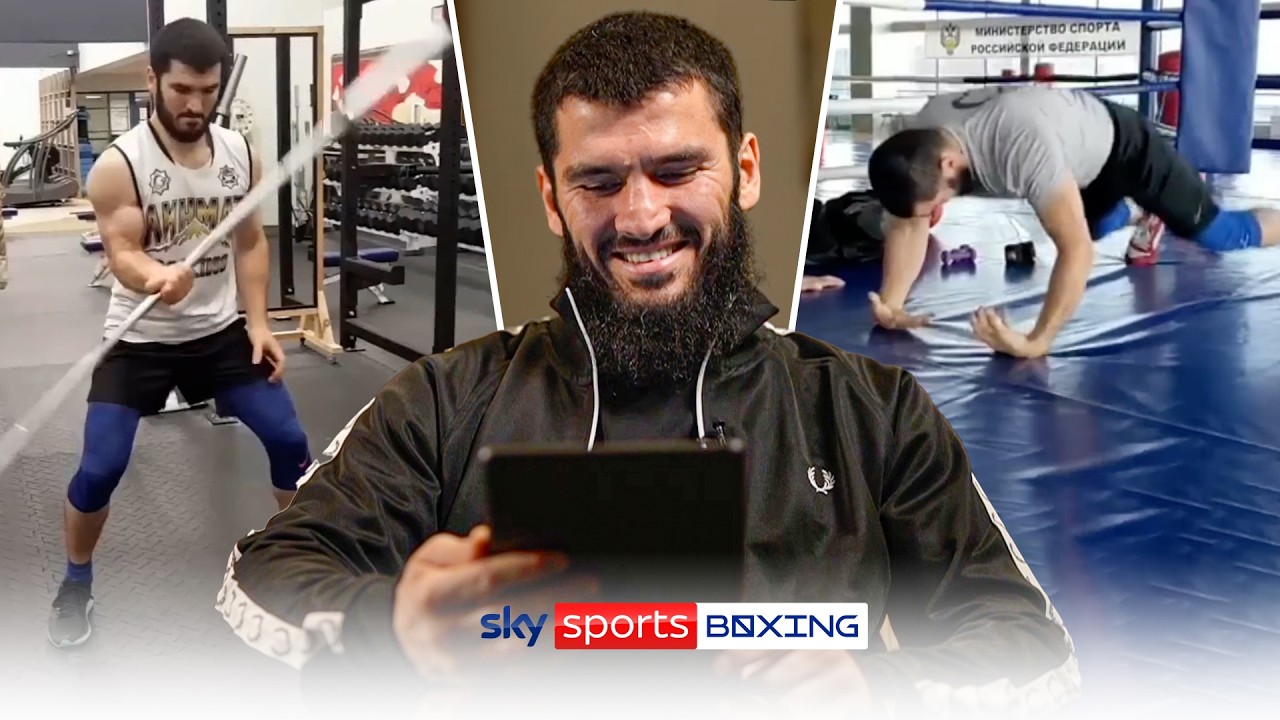
Artur Beterbiev Artur Beterbiev: The Training Regimen Behind His Knockout Power Artur Beterbiev is a name synonymous with power in the boxing world. With a perfect record of knockout victories in every professional fight besides his one loss, Beterbiev’s reputation as one of the hardest punchers in the sport is well-earned. But what exactly fuels this fearsome punching power? The answer lies in his unique and intense training regimen, which combines strength, conditioning, and specialized exercises designed to enhance his knockout ability. Let’s take a deep dive into the unorthodox training methods that have turned Beterbiev into a knockout machine. 1. The Power of Strength and Conditioning Beterbiev’s strength training focuses heavily on compound movements that build total-body power, with a particular emphasis on the posterior chain—muscles in the back, glutes, hamstrings, and calves. Squats and deadlifts are staples in his regimen, as these exercises help generate explosive force from the lower body, providing a solid base for his punches. When you combine that with his core strength, it’s easy to see how he generates such bone-crushing power. The emphasis on strengthening his lower body is vital because power in boxing doesn’t come solely from the arms or shoulders—it’s transferred from the ground up. Every punch Beterbiev throws starts from the ground, travels through his legs, core, and finally delivers explosive force through his fists. 2. The Iron Fist: Wrist Conditioning Beterbiev’s training also includes a unique conditioning technique that targets his wrists and forearms. Known as the “Iron Fist” exercise, this drill is designed to fortify these crucial areas to deliver devastating punches. The exercise involves transitioning from a press-up position to various hand placements—flat, clenched, and backhanded. It’s a grueling workout that also includes handstands on the forearms to improve balance and grip strength. This wrist conditioning is essential for Beterbiev, as a strong wrist can mean the difference between a regular punch and a knockout. The result? An ironclad fist that can hammer opponents with unmatched power. 3. Sledgehammer Training for Core and Rotational Power One of the more intense—and visually striking—elements of Beterbiev’s workout regimen involves sledgehammer training. Using a heavy sledgehammer, Beterbiev strikes a large tire in a series of rotational movements. This exercise is designed to build both core strength and rotational power, which are essential for throwing knockout punches. The sledgehammer drill activates the muscles of the core, especially the obliques, which are responsible for generating torque when a fighter pivots during a punch. This type of rotational movement is critical for Beterbiev, as it allows him to generate power from the hips and transfer it through his body, resulting in explosive knockout punches. 4. Mental Toughness and Focus While physical training is key, Beterbiev’s success also stems from his mental discipline. Known for his stoic nature, he brings an unwavering focus and determination to every session. His training sessions are not only physically grueling but mentally demanding as well, pushing his mind and body to their limits. His ability to stay calm and focused in the ring, particularly when facing adversity, can be traced back to the mental conditioning he undergoes during his training. Each grueling drill and intense workout helps him maintain composure during fights, allowing him to execute his strategy flawlessly. A Regimen Tailored for Knockout Success Artur Beterbiev’s training regimen is a masterclass in developing power, endurance, and mental toughness. By focusing on strength, wrist conditioning, rotational power, and core strength, Beterbiev has built the tools needed to deliver knockout punches with precision and force. His unique approach to training allows him to stand out in the light-heavyweight division as one of the most feared punchers of his era. As we continue to watch his career unfold, it’s clear that Beterbiev’s training will remain a vital part of his success. Whether he’s defending his titles or gearing up for new challenges, his unwavering commitment to pushing the limits of his physical and mental capabilities will ensure that he remains a force to be reckoned with for years to come. Arturt Beterbiev
- Anderson Silva – Dominating UFC and His Greatest Knockouts
Anderson Silva Anderson Silva – Dominating UFC and His Greatest Knockouts Anderson Silva is one of the most iconic figures in mixed martial arts history. His reign in the UFC showcased unparalleled skill, power, and remarkable knockouts that left fans in awe. Silva's unique fighting style and ability to find openings made him a champion feared by many and respected by all. During his time in the octagon, he achieved numerous victories that helped define the middleweight division. Silva's legacy includes legendary matches that not only highlighted his talent but also his impact on the sport itself. As a fighter who faced various challenges, his journey remains inspiring to both fans and fighters alike. Key Takeaways Anderson Silva dominated the UFC middleweight division with an impressive championship reign. His fighting style and knockout power made him a legend in the sport. Silva's influence has shaped the future of mixed martial arts and inspired many fighters. Anderson Silva Rise to Prominence in UFC Anderson Silva made his UFC debut on June 28, 2006. He faced Chris Leben at UFC Fight Night 5. Silva won that fight in just 49 seconds with a knockout. His victory over Leben set the stage for bigger challenges. Silva quickly earned a title shot against Rich Franklin. This match took place on October 14, 2006, at UFC 64. Silva secured the middleweight championship with a stunning knockout. This victory launched his reign as one of the UFC's most famous champions. During his title reign, Silva defended his belt multiple times. He gained recognition for his striking skills and agility. Fans admired his ability to evade punches while landing powerful hits. Key highlights include: Title Defenses: Silva successfully defended his title ten times. Notable Fights: Match-ups against fighters like Dan Henderson and Chael Sonnen showcased his talent. Fight Style: Silva's unorthodox style made him a unique competitor in the octagon. Silva's rise in the UFC changed the sport. He became a role model for aspiring fighters. His influence continues to be felt in mixed martial arts today. Anderson Silva Championship Reign Anderson Silva's championship reign in the UFC is one of the most notable periods in mixed martial arts history. He held the UFC Middleweight Championship for over seven years. This reign lasted from October 14, 2006, to July 6, 2013. During his time as champion, Silva successfully defended his title ten times. His title defenses included victories over prominent fighters such as: Rich Franklin (twice) Dan Henderson Nathan Marquardt Vitor Belfort Silva was known for his striking skills and ability to finish fights. His knockouts often showcased his creativity and precision. In addition to his title defenses, Silva holds records for the most finishes in UFC middleweight title fights. He also has the longest title reign in UFC history at that time. Silva's reign came to an end when he faced Chris Weidman at UFC 162. He lost the title after suffering a knockout in the second round. Despite this loss, his legacy in the sport remains strong due to his impressive achievements. Throughout his championship reign, Silva solidified himself as one of the greatest fighters in UFC history. His skills inside the octagon continue to inspire both fans and future fighters. Anderson Silva Anderson Silva and his Signature Fighting Style Anderson Silva is known for his unique and effective fighting style. He combines several techniques and strategies that make him a tough opponent. Striking Skills Silva is famous for his striking. He uses fast punches and powerful kicks. His precision allows him to hit targets that others might miss. Movement and Footwork His footwork is key to his success. Silva moves quickly around the ring, making it hard for opponents to land strikes. He often uses his agility to dodge attacks while countering with strikes of his own. Defense Silva’s defense is impressive. He has a unique ability to avoid punches and kicks with head movement and footwork. This skill frustrates opponents and creates openings for him to attack. Creativity and Technique Silva is well-known for his creativity in the ring. He does not always follow the usual moves; instead, he surprises opponents. His ability to mix techniques keeps his fights exciting. Fight IQ His understanding of the game is outstanding. Silva reads his opponents well, predicting their moves. This skill often leads to quick and effective counters. These elements create a fighting style that is both effective and entertaining. Anderson Silva’s approach has inspired many fighters around the world. Anderson Silva Most Memorable Knockouts Anderson Silva is known for his incredible striking skills. He scored many unforgettable knockouts during his UFC career. One of the most famous knockouts happened against Vitor Belfort at UFC 126. Silva used a front kick to the face that caught Belfort off guard. This knockout is still remembered by fans. Another notable moment was his fight with Dustin Hazelett at UFC 90. Silva finished the match with a quick rear-naked choke after landing powerful strikes. This showcased his versatility. Silva also faced Chael Sonnen at UFC 117. After being behind for most of the fight, Silva landed a triangle armbar in the final moments. This dramatic finish is one of his legendary moments. The knockout against Rich Franklin at UFC 64 was crucial. Silva won the title with a brutal knee strike followed by punches. This victory marked the beginning of a long reign. List of Notable Knockouts: Vitor Belfort – Front kick at UFC 126 Dustin Hazelett – Rear-naked choke at UFC 90 Chael Sonnen – Triangle armbar at UFC 117 Rich Franklin – Knee strike at UFC 64 Silva's knockout power changed fights and set him apart. Fans still celebrate these moments in MMA history. Rivalries and Defining Matches Anderson Silva faced many notable rivals during his UFC career. Each matchup showcased his skills and fighting style, helping to define his legacy. One of his biggest rivalries was with Chael Sonnen. They fought at UFC 117, where Silva lost in the early rounds but ultimately won by submission in the fifth round. This match highlighted Silva's resilience and ability to finish strong. Key Rivalries Chael Sonnen: Their first fight built immense hype. Silva's comeback was memorable and solidified his champion status. Vitor Belfort: Silva fought Belfort at UFC 126. He won by knockout with a front kick, marking one of his most famous victories. Daniel Cormier: Silva stepped in as a late replacement to fight Cormier at UFC 200. Although he lost, it showed his willingness to compete against any opponent. Defining Matches UFC 64 vs. Rich Franklin: Silva won the title with a TKO, starting his reign. UFC 90 vs. Patrick Cote: Silva successfully defended his title, further proving his dominance in the middleweight division. These rivalries and matches shaped Silva's career, proving he was one of the greatest fighters in UFC history. Influence on Mixed Martial Arts Anderson Silva has greatly impacted mixed martial arts (MMA). His unique fighting style showcased a mix of striking and grappling skills. This made fights more exciting and dynamic. Silva’s ability to evade strikes and counterattack astounded fans. He introduced a level of finesse that influenced many fighters. Others began to adopt similar techniques in their training. Key Influences: Striking Skills: Silva’s precision and power changed how fighters approached striking. Fight IQ: He showed the importance of strategy in the octagon. Showmanship: Silva’s charisma helped popularize the sport, drawing in more fans. He also set records during his reign. For instance, he held the record for the longest title defense streak in UFC history. This achievement inspired many aspiring fighters. Silva’s influence extends beyond the cage. He helped elevate MMA's status as a mainstream sport. His performances paved the way for future stars to follow. Many fighters today credit Silva as a major inspiration. They study his fights to learn new techniques and improve their skills. His legacy continues to shape the future of MMA. Anderson Silva Media Appearances and Cultural Impact Anderson Silva has been a prominent figure in sports media. He has appeared on various television shows, interviews, and documentaries. These appearances helped raise his profile beyond just the UFC. Silva has participated in popular programs like: The Joe Rogan Experience UFC Unleashed The Ultimate Fighter His presence in these shows allowed fans to connect with him on a personal level. Silva's charisma and humility made a lasting impression. Aside from traditional media, Silva's influence extends to social media. He uses platforms like Instagram and Twitter to engage with fans. His posts often focus on training, personal life, and motivation. Culturally, Silva inspired many young fighters. His fighting style brought attention to mixed martial arts, showing its artistry. Fans appreciated his skill and sportsmanship. Silva's impact is noticeable in Brazil, where he became a national hero. Many see him as a role model, especially for aspiring athletes. His success contributed to the growth of MMA in Latin America. Silva's legacy includes not just his fights, but his role in popularizing the sport. He remains a significant figure in both MMA and Brazilian culture. Anderson Silva Training Regimen and Discipline Anderson Silva is known for his intense training regimen. He believes in a mix of different techniques to stay sharp. His routine includes: Striking Drills: Focusing on precision and speed. Cardio Workouts: To build endurance and stamina. Strength Training: To enhance power and prevent injuries. Discipline plays a huge role in his success. Silva maintains a strict schedule. He often trains multiple times a day, balancing different activities. His training sessions include sparring with partners. This helps him practice techniques in real-time. He also spends time analyzing footage of his fights. This review helps him learn and improve. Nutrition is crucial as well. Silva follows a balanced diet to fuel his workouts. He emphasizes the importance of staying hydrated. Good nutrition supports performance and recovery. Rest and recovery are also key parts of his routine. Silva knows when to push himself and when to take breaks. This balance helps him avoid burnout. In addition, mental training is important. Silva practices visualization techniques. These help him prepare mentally for fights. His dedication to training and discipline has made him one of the best fighters in MMA history. Anderson Silva Challenges and Comebacks Anderson Silva faced several challenges throughout his career. Injuries were a recurring issue that impacted his performance. Notably, a serious leg injury in 2013 caused him to miss significant fighting time. Despite setbacks, Silva's resilience shone through. He made a comeback in 2014, returning to the Octagon against Nick Diaz. This fight marked a key moment in his career, showcasing his determination. Here are some highlights of his comebacks: Return from Injury: He showed grit when he returned after a long break due to injury. Underdog Status: Many viewed him as an underdog, but he proved doubters wrong with his skills. Fighting Style Adaptation: Silva adapted his fighting style to stay relevant as younger fighters emerged. His ability to overcome obstacles solidified his legacy in mixed martial arts. Silva’s return fights often drew significant attention from fans and media alike. His story emphasizes the importance of perseverance in sports. Anderson Silva's journey through challenges shaped him into a legendary figure in the UFC. Legacy and Career Achievements Anderson Silva is known for his remarkable impact on mixed martial arts (MMA). His time in the UFC was marked by incredible performances and a long title reign. Career Highlights UFC Middleweight Champion: Silva held the title from 2006 to 2013. Most Title Defenses: He defended his title successfully 10 times. Longest Title Reign: His reign lasted 2,457 days. Notable Knockouts Silva achieved fame with several stunning knockouts. Some of his most recognized victories include: Vitor Belfort: Knocked out with a front kick. Chad Mendes: Finished with a knee strike in the clinch. Rich Franklin: Won by knockout in their first fight. Accolades Silva earned numerous awards and honors. They include: Fighter of the Year: Multiple MMA organizations recognized him. Hall of Fame Inductee: Inducted into the UFC Hall of Fame in 2020. Impact on MMA Silva changed how fighters approach striking. His style combined speed, accuracy, and creativity. Many fighters look up to him as a role model. Silva's legacy continues in the MMA world. His achievements set a high standard for future fighters. Anderson Silva
- Dan Henderson – Analyzing Knockouts and Success in PRIDE vs UFC
Dan Henderson Dan Henderson – Analyzing Knockouts and Success in PRIDE vs UFC Dan Henderson stands out in the world of mixed martial arts, known for his power and skill. His impressive knockouts and success in both PRIDE and UFC make him a legendary figure in the sport. Fans remember his thrilling fights, where he showcased his ability to finish opponents with precise strikes. Throughout his career, Henderson faced different challenges in both organizations. The differences in rules and fight styles played a significant role in shaping his journey. Each victory helped him build a legacy that continues to influence fighters today. Henderson's iconic moments have left a lasting impact on MMA. His fighting style and achievements resonate with fans and fighters alike, marking him as an important figure in the sport's history. Key Takeaways Dan Henderson is known for his powerful knockouts and strong performances. He achieved success in both PRIDE and UFC, showcasing his adaptability. His legacy continues to influence the next generation of fighters in MMA. Dan Henderson - Early Life and Career Beginnings Dan Henderson was born on August 24, 1970, in Downey, California. He grew up in a sports-friendly environment. From an early age, he showed interest in athletics. He attended high school in Temecula, where he excelled in wrestling. Henderson's talent on the mat earned him a scholarship to attend California State University, Fullerton. There, he continued to develop his wrestling skills. After college, he began competing in international wrestling. He represented the United States in various tournaments. His strong performance helped him gain recognition in the sport. Henderson made his entry into mixed martial arts (MMA) in the late 1990s. He fought in several smaller promotions before joining PRIDE Fighting Championships in Japan. His wrestling background played a big role in his fight style. By using his grappling skills, he achieved early success. Henderson quickly became known for his power and knockout ability. This reputation set the stage for his later career in MMA. Dan Henderson Transition to Mixed Martial Arts Dan Henderson made a significant shift from wrestling and boxing to mixed martial arts (MMA). This transition involved forming a strong training team and competing in various early events, which established him as a prominent figure in the sport. Formation of Team Quest In the late 1990s, Henderson co-founded Team Quest with fellow fighters Randy Couture and Matt Lindland. The team emphasized a blend of wrestling, Brazilian jiu-jitsu, and striking. This combination prepared fighters for the diverse challenges in MMA. Team Quest became known for its rigorous training regimens and success in competitions. The team created a supportive environment where fighters could share techniques and improve their skills. Henderson's leadership played a big role in the team's growth and reputation within the MMA community. Initial Competitions Henderson began competing in the early days of MMA in organizations like the UFC and PRIDE. His first professional fight was in 1997, where he showcased his wrestling background and striking ability. During these initial events, he quickly gained attention for his powerful knockouts and strong grappling. Henderson's success in these competitions helped him build a fan base and solidify his status as a top athlete. His ability to adapt to different fighting styles set him apart from other competitors at the time. Dan Henderson PRIDE Fighting Championships Success Dan Henderson found significant success in the PRIDE Fighting Championships. His time there showcased his skills and solidified his reputation as a top fighter. Henderson achieved important victories and impressive tournament results. Key Victories in PRIDE Henderson had several notable wins during his PRIDE career. One of his biggest victories was against Wanderlei Silva at PRIDE 33. He won the fight by knockout, showcasing his punching power and strategy. Henderson also defeated Vitor Belfort at PRIDE 32 with a dramatic knockout in the first round. Another key victory was his bout with Mauricio "Shogun" Rua at PRIDE 24. Henderson displayed his wrestling ability and striking prowess to earn a win. These victories helped him build a strong legacy in MMA and made him a fan favorite. PRIDE Tournament Achievements In PRIDE, Henderson competed in prestigious tournaments that highlighted his talent. He participated in the 2005 PRIDE Middleweight Grand Prix, where he reached the finals. During this tournament, he faced tough opponents. Henderson defeated Kazushi Sakuraba in the quarterfinals and Ikuhisa Minowa in the semifinals. Though he lost in the final match to Wanderlei Silva, his performance throughout the tournament established him as a serious contender. His dedication and skill contributed to the excitement of the PRIDE events, making him a prominent figure in the sport. Dan Henderson Return to the UFC Dan Henderson made his return to the UFC in 2009 after a successful run in PRIDE. His comeback was marked by a series of significant fights that showcased his skills and power. Henderson aimed to make a strong impact in the UFC's competitive atmosphere. UFC Middleweight Division Impact Upon rejoining the UFC, Henderson quickly made a name for himself in the middleweight division. His reputation as a knockout artist preceded him, and fans were eager to see his legendary right hand in action. Henderson fought against top contenders, including: Michael Bisping: A well-publicized rivalry culminated in a memorable fight where Henderson knocked out Bisping with a devastating punch. Vitor Belfort: Facing Belfort in a title eliminator highlighted Henderson's striking ability and resilience. His presence in the division brought excitement and a veteran's edge, influencing match-ups and the careers of younger fighters. Title Fights and Challenges Henderson's return was marked by title fights that tested his limits. His first shot at the UFC middleweight title came against Anderson Silva in 2008. Despite a strong effort, he lost via submission, which was a setback in his pursuit of gold. Later, in 2016, Henderson faced Michael Bisping again, this time for the UFC middleweight title. Though Henderson lost the fight by decision, his experience shone through as he delivered an impressive performance. These title challenges underscored the tough competition in the UFC while solidifying Henderson's reputation as a formidable fighter. His journey highlighted the struggles and triumphs athletes face in their quest for championship glory. Iconic Knockouts Dan Henderson is known for his power and precision in the ring. His knockouts have become a major part of his legacy, showcasing his skills across different organizations. Notable Knockout Highlights One of Henderson's most memorable knockouts came against Michael Bisping at UFC 100. In the second round, Henderson delivered a powerful right hand that led to a dramatic knockout. This moment is often replayed and discussed among fans. Another significant knockout happened during his PRIDE days against Wanderlei Silva. Their fight at PRIDE 1 saw Henderson earn a KO with a well-timed punch after a back-and-forth battle. This established him as a top contender in the middleweight division. He also scored a knockout against Fedor Emelianenko in 2011. Henderson’s ability to take down a legendary fighter like Fedor proved his striking skill and toughness. Techniques and Tactics Henderson relied heavily on his powerful right hand, famously known as the “H-Bomb.” This punch was crucial in many of his knockouts. He positioned himself to deliver it with precision, often catching opponents off guard. His wrestling background also played a significant role. Henderson would mix striking with wrestling to create openings. This strategy allowed him to dictate the pace of the fight and find his moments to strike effectively. Henderson often used his experience to read opponents. He executed counter-punching techniques, waiting for the right time to strike. His ability to blend aggression with defense made him a formidable opponent in the ring. PRIDE vs. UFC: Differences and Legacy The differences between PRIDE and UFC shaped the careers of many fighters, including Dan Henderson. Each organization maintained unique rules and cultural impacts that influenced fans and athletes alike. Rule Set Variations PRIDE and UFC have different rules that affected fight outcomes and styles. In PRIDE, fighters could deliver knees to a downed opponent and kicks to the head of a grounded fighter. This led to exciting and dynamic bouts. UFC rules focus on a combination of striking and grappling but ban knees to a downed opponent. This can change how fighters strategize and operate in the octagon. The rounds in PRIDE were also longer, typically 10 minutes for the first round, while UFC rounds are 5 minutes. These differences made fights in PRIDE feel more like a marathon, emphasizing stamina and strategy. Cultural Impact and Fan Perceptions PRIDE had a strong following in Japan, with events often treated as spectacles. The atmosphere included elaborate entrances and a focus on sportsmanship. Fans appreciated the dramatic presentation and the diverse range of martial arts styles showcased. On the other hand, UFC gained popularity in the United States with a more direct and competitive approach. The UFC marketed itself as the premier organization for mixed martial arts, focusing on the sport's legitimacy. The emphasis was on rankings and titles, creating intense rivalries and storylines. These cultural differences left lasting legacies and helped shape modern mixed martial arts as it is known today. Each organization contributed to the growth and development of the sport in unique ways. Post-Fighting Career After his fighting career, Dan Henderson shifted his focus to coaching, mentoring young fighters, and exploring business opportunities. His experience in the ring set the stage for a successful transition into these new roles. Coaching and Mentoring Dan Henderson began coaching fighters at his gym. He trained the next generation of mixed martial artists and shared his knowledge and techniques. Many of his students credit him for their success, emphasizing his ability to motivate and inspire. Henderson's experience in high-pressure situations aided him in coaching, making him a respected figure in the MMA community. He also participated in seminars and workshops across the country. This allowed him to stay connected to the sport while passing on valuable lessons learned from his own career. Entrepreneurial Ventures In addition to coaching, Henderson pursued various entrepreneurial ventures. He co-founded a successful line of supplements aimed at athletes and fitness enthusiasts. The brand focuses on providing quality nutrition to support training and recovery. Henderson also opened a gym that caters to fighters and fitness lovers. His facility emphasizes proper training techniques and a positive environment for people of all skill levels. This venture helped to foster a community built around health and wellness. Through these business efforts, Henderson remained active in the MMA world while also creating opportunities for himself beyond fighting. His entrepreneurial spirit showcases his adaptability and commitment to the sport. Analysis of Fighting Style Dan Henderson is known for his powerful striking and wrestling background. His style combines both skills effectively, allowing him to control fights. He often uses his wrestling to take opponents down and set up strikes. This strategy makes it harder for his opponents to predict his moves. Key Elements of His Style Powerful Overhand Right: Henderson's signature punch is famous for knocking out many of his opponents. Wrestling Base: His strong grappling skills provide him strong defense against takedowns. Experience: With years of competition, he adapts to different fighters and styles. Henderson is also known for his toughness and ability to keep fighting. Even when he is hurt, he continues to push forward. This mentality earns him respect from fans and fighters alike. He accurately judges distances, which allows him to land strikes while avoiding others. This skill plays a big part in his successful fight strategy. In both PRIDE and UFC, his fighting style helped him become a champion. He achieved many knockout victories, showing his effectiveness in the cage. Athletic Accomplishments Dan Henderson has a rich history of achievements in mixed martial arts. His career includes numerous titles and recognition for his fighting skills. He is known for making a mark in two major promotions: PRIDE and UFC. Championship Titles and Awards Dan Henderson has won several championship titles throughout his career. He is a two-division champion in PRIDE, holding titles in both the Middleweight and Welterweight divisions. In UFC, he won the UFC 17 Middleweight Tournament in 1998. He was also the Strikeforce Light Heavyweight Champion. Each of these titles highlights his ability to compete at the highest level against top fighters. Additionally, Henderson has earned various awards such as "Fight of the Night" and "Performance of the Night" bonuses for his thrilling fights. His powerful striking and grappling skills earned him a strong reputation in the sport. Hall of Fame Inductions Dan Henderson is recognized in the MMA Hall of Fame, celebrating his long and successful career. He was inducted into the UFC Hall of Fame in 2016. This honor highlights his impact on the sport and his status as a pioneer in mixed martial arts. Henderson's contributions span over two decades, making him a respected figure in both PRIDE and UFC. His legendary status is cemented through these inductions, showcasing his legacy for future generations of fighters. Dan Henderson Comparative Assessment Dan Henderson stands out in mixed martial arts for his impressive skills and accomplishments. He has made notable contributions to both PRIDE and UFC, influencing fighters and the sport’s landscape. Ranking Among Peers Dan Henderson’s success in MMA places him among the elite fighters of his time. He is well-known for his powerful striking and wrestling ability. His accomplishments include multiple championship titles in both PRIDE and UFC, showcasing his versatility. In the context of rankings, Henderson's knockout power is often considered one of the best in the sport. This has solidified his position as a prominent figure in MMA history. He fought top competitors and consistently demonstrated his ability to compete at high levels, earning respect from fans and opponents alike. Contribution to MMA Evolution Henderson has played a significant role in shaping modern MMA. His fighting style, which blends wrestling and striking, helped to demonstrate the effectiveness of diverse skills in the cage. This encouraged many fighters to adopt similar approaches. He also contributed to the growth of the sport by participating in high-profile events. His bouts brought attention to both PRIDE and UFC, attracting new fans. Henderson’s success has inspired countless younger fighters to pursue their own careers in MMA. Dan Henderson Legacy and Influence on Modern MMA Dan Henderson's career has left a significant mark on mixed martial arts. His fighting style combined wrestling and striking, setting a standard for future fighters. Henderson was known for his powerful punches and the ability to finish fights. His knockout of knockout over opponents like Bisping and Fedor showcased his skill. Key aspects of his legacy include: Pioneering Hybrid Fighting: He was one of the first to mix disciplines seamlessly. Success Across Promotions: Winning titles in both PRIDE and UFC demonstrated his adaptability. Longevity in the Sport: Competing at a high level for over two decades inspired many younger fighters. Henderson also influenced training techniques. He showcased the importance of conditioning and mental preparation. Many fighters today focus on these aspects, thanks to his example. Moreover, he paved the way for wrestlers transitioning to MMA. This shift is seen in many current champions who excel in grappling.